
The Conversational Imperative
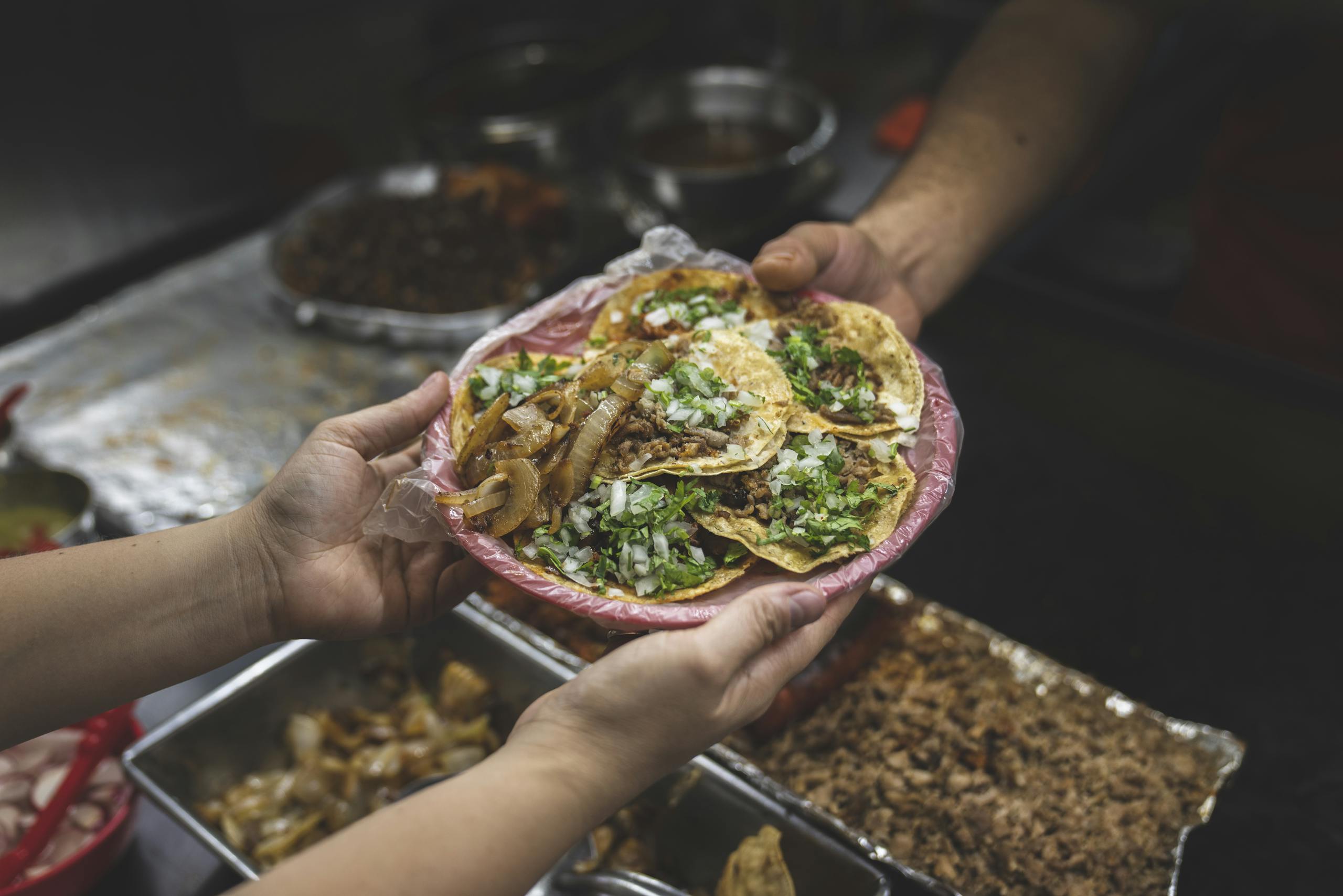
For a long time I thought I’d never really use the imperative myself. Maybe I’d hear it in restaurants (Póngame un café, por favor) or from staff in official situations, but I didn’t picture it as part of my everyday Spanish. And since I don’t have Spanish-speaking friends, I assumed the informal forms weren’t going to cross my path at all.
But I’ve started to notice something different. The imperative isn’t some “special mood” that belongs in textbooks. It’s not the stiff usted examples on one side or the friendly tú examples on the other. It’s just there — all the time — in daily conversations between strangers, friends, kids, taxi drivers, shopkeepers.
The reason it tripped me up is the English bias. In English, imperatives usually sound bossy: “Give me that,” “Call me,” “Stop doing that.” They’re heavy with authority. So when we learn Spanish and someone says Dime or Espérame, our English brain flags it as rude. But that’s not how it lands in Spanish.
In Spanish, the imperative is conversational grammar. It’s shorthand for all the little pushes, nudges, and requests that keep daily life flowing.
- Avísame cuando llegues. → Let me know when you arrive.
- Espérame tantito. → Wait for me a sec.
- Pásame la sal. → Pass me the salt.
- Mándame un mensaje. → Send me a message.
- Mira, esto es bonito. → Look, this is nice.
These don’t come across as “commands.” They’re just the natural way of saying things that, in English, we’d usually soften with “could you” or “would you mind.” Spanish skips the hedging and lets tone, context, or a quick por favor do the work of politeness.
What surprised me is realising how much I’ll actually need them when I’m in Mexico — even if I don’t use them yet. Just everyday travel situations run on imperatives:
- In a café: Póngame un café, por favor. → “Give me a coffee.”
- At a restaurant: Tráigame la cuenta, por favor. → “Bring me the bill.”
- Buying tickets: Déme dos boletos. → “Give me two tickets.”
- Asking for help: Dígame dónde está… → “Tell me where it is…”
- In a taxi: Siga derecho, por favor. → “Go straight ahead.”
And on the flip side, I’ll hear the informal forms from people around me — waiters in casual taquerías, market vendors, kids in the street:
- Pruébate este. → “Try this on.”
- Mira, ven acá. → “Look, come here.”
- Espérame tantito. → “Wait for me a sec.”
So the big shift for me was realising the imperative isn’t “the command form.” That’s English baggage. In Spanish, it’s one of the most conversational, everyday tools you’ve got.
It’s not a grammar point to “master.” It’s the background rhythm of how people talk to each other — quick, direct, but not bossy.
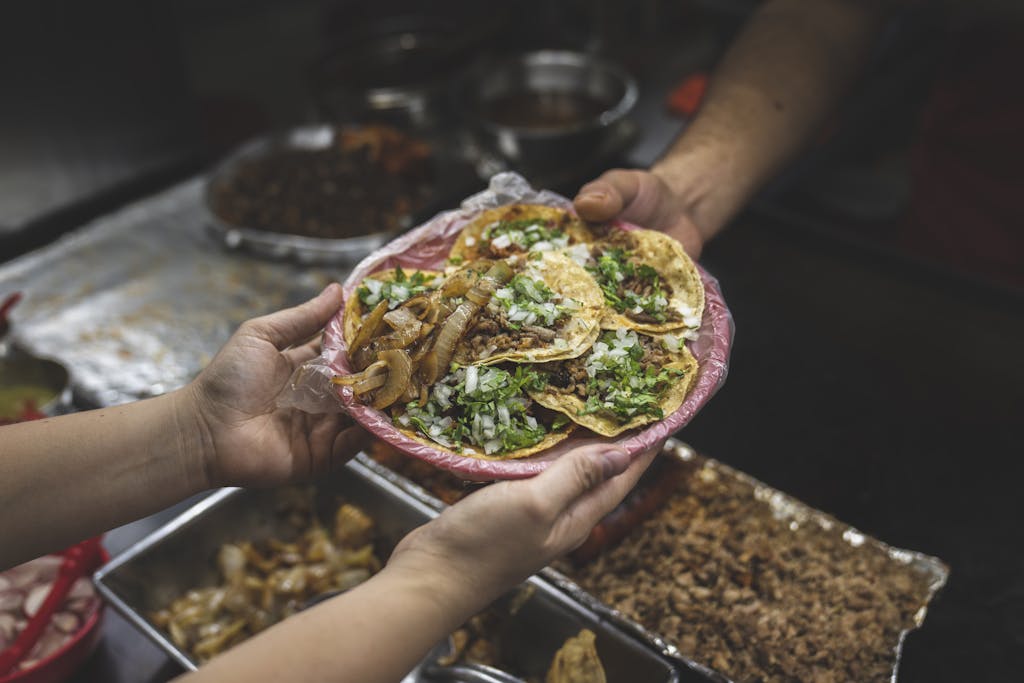
🌮 At a Taquería in Mexico City
You walk up to a busy taco stand. The cook smiles.
Cook: Pásele, joven, pásele. → “Come in, come on through.”
(He’s waving you closer. Friendly, not bossy.)
You take a seat.
Cook: Dígame, ¿qué va a llevar? → “Tell me, what will you have?”
You point at the al pastor.
You: Póngame dos tacos, por favor. → “Give me two tacos, please.”
A few minutes later, the cook sets the tacos down.
Cook: Pruebe la salsa verde, está buena. → “Try the green salsa, it’s good.”
You take a bite. Delicious.
You: Tráigame una Coca, por favor. → “Bring me a Coke, please.”
When you’re finished, you ask for the check.
You: La cuenta, por favor.
He nods.
Cook: Espéreme tantito. → “Wait just a sec.”
He tallies it up, hands you the bill.
Cook: Avíseme si necesita más servilletas. → “Let me know if you need more napkins.”
This whole exchange runs on imperatives — but none of them feel bossy. They’re just the rhythm of ordering, offering, and keeping the conversation flowing.

🚕 Taxi Ride in Mexico City
You hop into a cab.
Driver: Suba, joven, cierre la puerta bien.
→ “Hop in, young one, close the door properly.”
You settle in.
Driver: Dígame, ¿a dónde vamos?
→ “Tell me, where are we going?”
You: Lléveme al centro, por favor.
→ “Take me downtown, please.”
As you drive, the traffic slows.
Driver: Mire nada más este tráfico… siempre igual.
→ “Just look at this traffic… always the same.”
He points out a building.
Driver: Vea ese mural, es de Rivera.
→ “Look at that mural, it’s by Rivera.”
You’re curious about a side street.
You: Muéstreme por dónde se llega a la plaza, si puede.
→ “Show me how to get to the plaza, if you can.”
As you arrive:
Driver: Espéreme tantito, voy a dar la vuelta.
→ “Wait a sec, I’m going to turn around.”
He pulls up.
You: Avíseme cuánto es, por favor.
→ “Let me know how much it is, please.”
Driver: Son ciento veinte. Páseme los billetes, y le doy cambio.
→ “It’s 120. Hand me the bills, and I’ll give you change.”
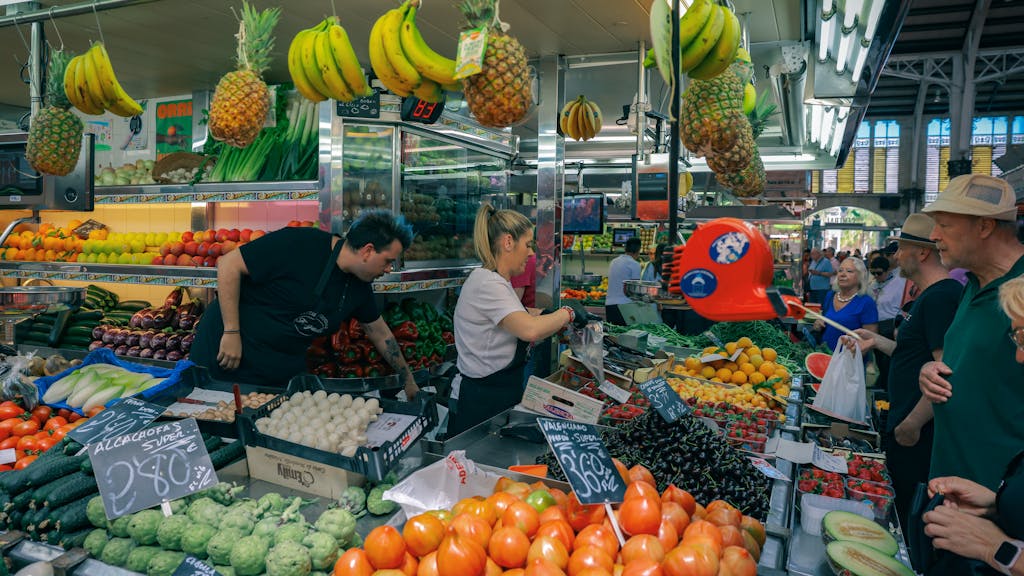
🛍️ At a Mercado Stall
You’re walking through a busy market. A fruit vendor calls out:
Vendor: Pásele, pásele, pruebe la piña, está dulce.
→ “Come on through, try the pineapple, it’s sweet.”
You stop and look at the fruit.
Vendor: Mire qué bonita está, llévese un kilo.
→ “Look how nice it is, take a kilo.”
You smile and ask for avocados.
You: Póngame tres aguacates maduros, por favor.
→ “Give me three ripe avocados, please.”
The vendor weighs them out.
Vendor: Espéreme tantito, le busco los más blanditos.
→ “Wait a sec, I’ll find the softer ones for you.”
A child tugs at your sleeve, holding out a handmade bracelet.
Child: Cómprame uno, mira qué bonito.
→ “Buy one, look how pretty it is.”
You laugh, hand over some coins.
You: Dame el azul, por favor.
→ “Give me the blue one, please.”
As you leave, the vendor calls out:
Vendor: Avíseme cuando regrese, le guardo mango.
→ “Let me know when you come back, I’ll save you some mango.”
This one shows imperatives flying in all directions — vendor to customer, kid to stranger, you to vendor. It’s just the rhythm of how markets work: quick, direct, friendly.
Some real-life imperatives I can actually drop into my day
👨👩👦 With My son
(Informal tú imperatives — warm, casual)
- Abrázame. → Hug me.
- Espérame tantito. → Wait for me a sec.
- Pásame el control. → Pass me the remote.
- Dime qué quieres cenar. → Tell me what you want for dinner.
- Ayúdame con esto. → Help me with this.
🐈 With your cat
(Yes, still tú imperatives — playful, everyday tone)
- Pórtense bien. → “Be good.” (plural)
- Duerme tantito. → Sleep a little bit.
- Bájate. → Get down.
- ¡Ay, sin uñas! → Literally “Ow, without claws!” (super natural, almost like a nickname warning).
🎥 With your fellow Spanish student
(Informal, since you’re equals and friendly)
- Recuérdame esa palabra. → Remind me of that word.
- Dime si me entiendes. → Tell me if you understand me.
- Espérame, voy a buscarlo. → Wait for me, I’ll go look it up.
- Cuéntame cómo lo usas tú. → Tell me how you use it.
- Explícame otra vez. → Explain it to me again.