Bienvenidos a Panadería Las Conchas – Conoce el Famoso Pan Dulce de México
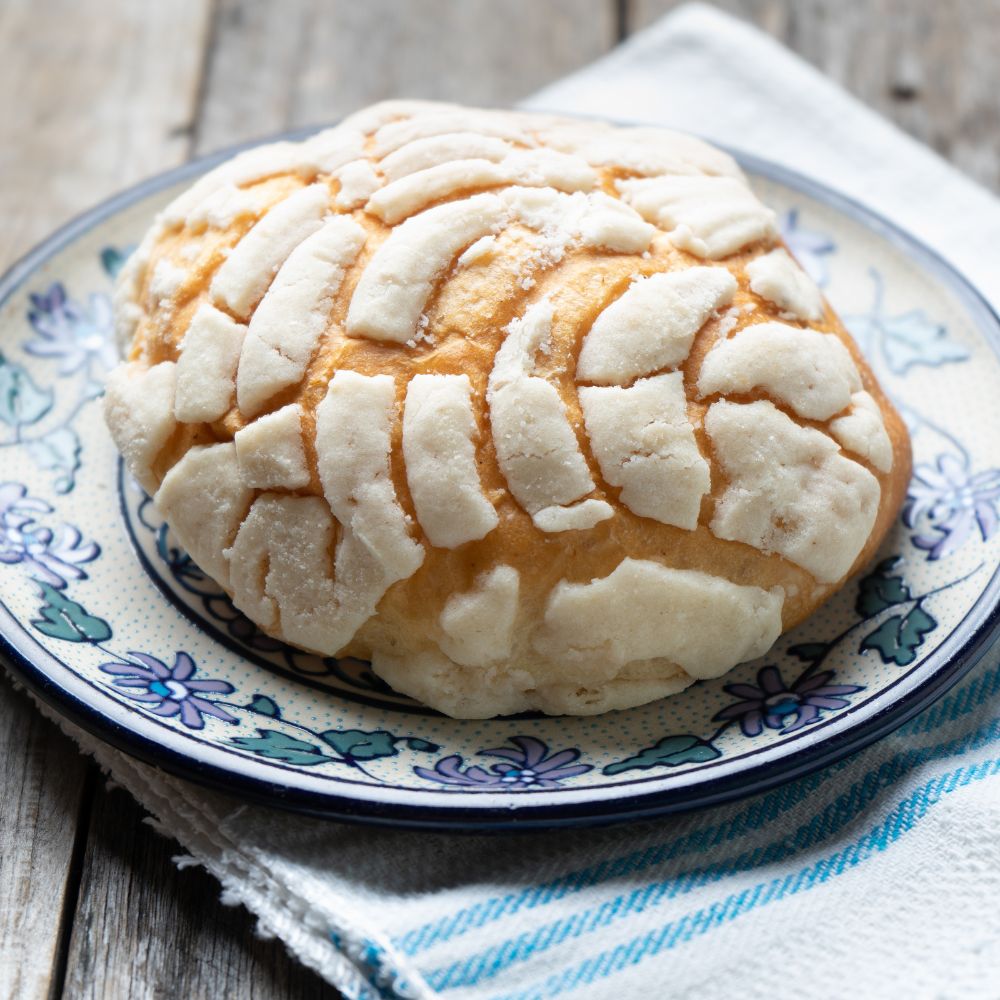
conchas tradicionales
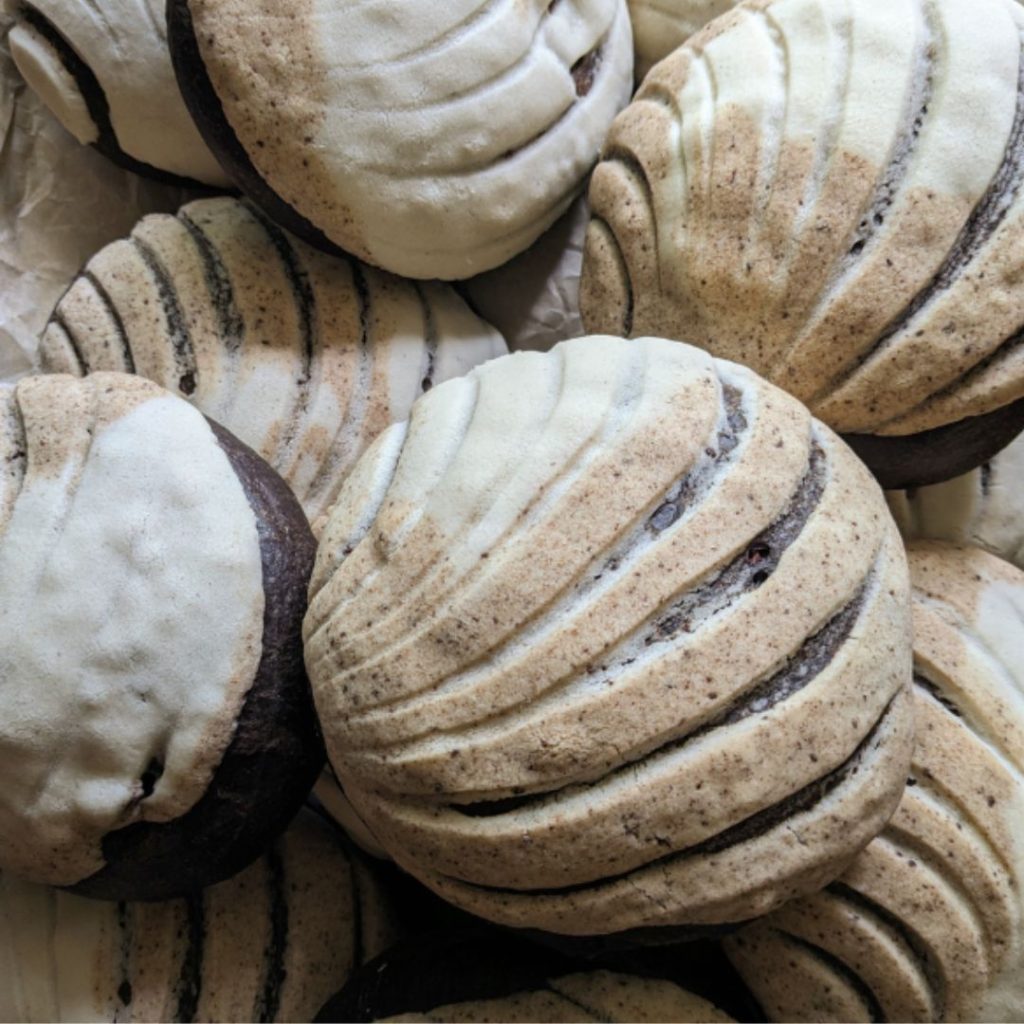
Conchas son panes dulces famosas de México. Vienen en muchos sabores y colores, y se parecen a una concha de mar. Son ligeras y esponjosas por dentro, con una parte superior crujiente y azucarada. Los sabores tradicionales incluyen vainilla, chocolate y fresa.
Las conchas han sido parte de la cultura de México durante más de 100 años. A menudo se disfrutan en el desayuno o como un snack de la tarde, acompañadas de café o chocolate caliente. Son un alimento básico en las panaderías mexicanas y se incluyen en celebraciones y festivales, simbolizando la comodidad y la tradición.
Conchas are a famous Mexican sweet bread. They come in many flavours and colours, and resemble a seashell. They are soft and fluffy on the inside with a crunchy sugary top. Traditional flavours include vanilla, chocolate and strawberry.
Conchas have been a part of Mexican culture for over 100 years. They are often enjoyed for breakfast or as an afternoon snack, accompanied by coffee or hot chocolate. They are a staple in Mexican bakeries and are included in celebrations and holidays, symbolizing comfort and tradition.
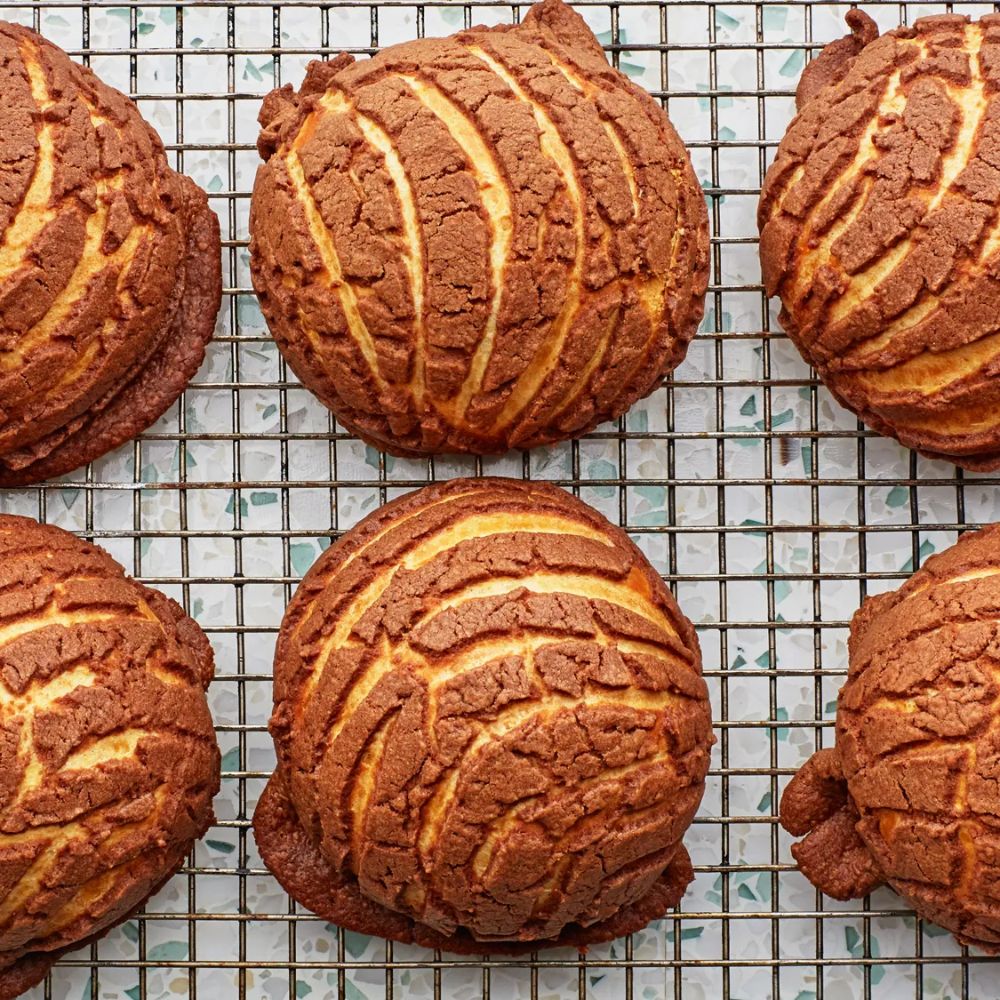
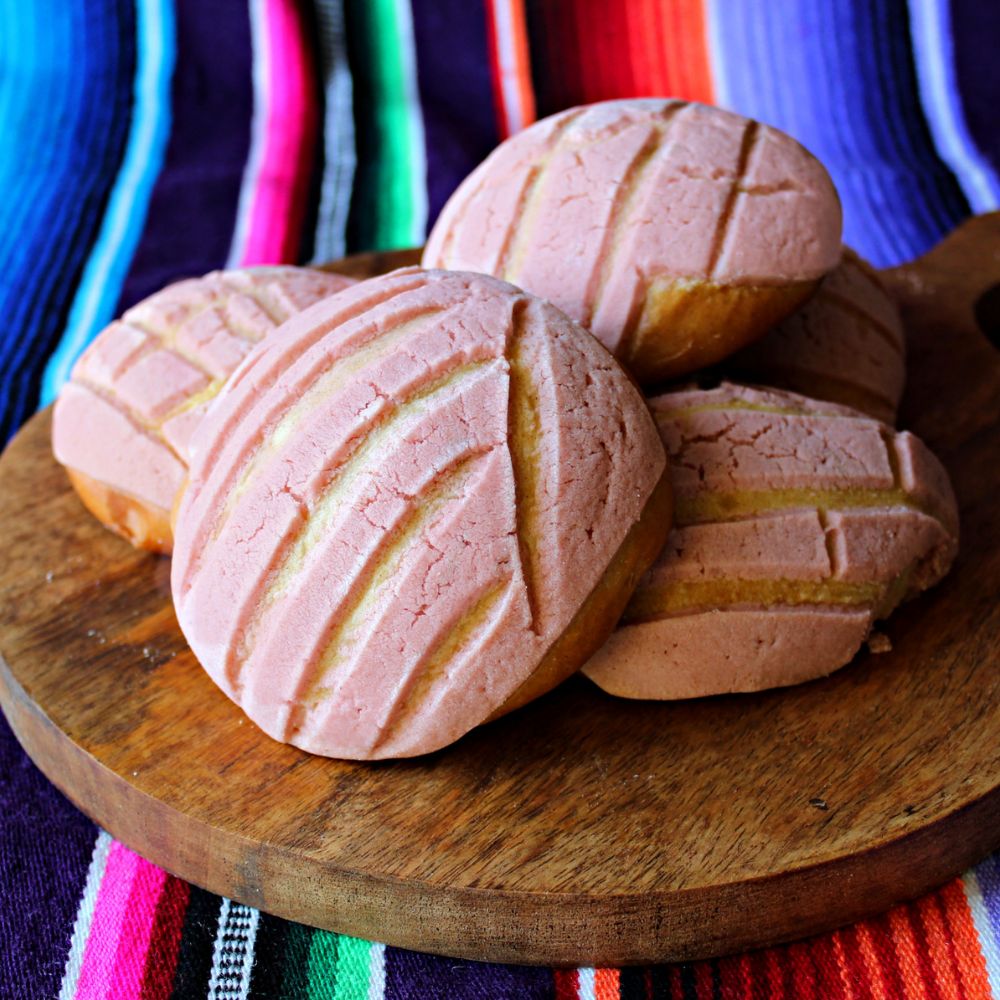
LOS Sabores modernos
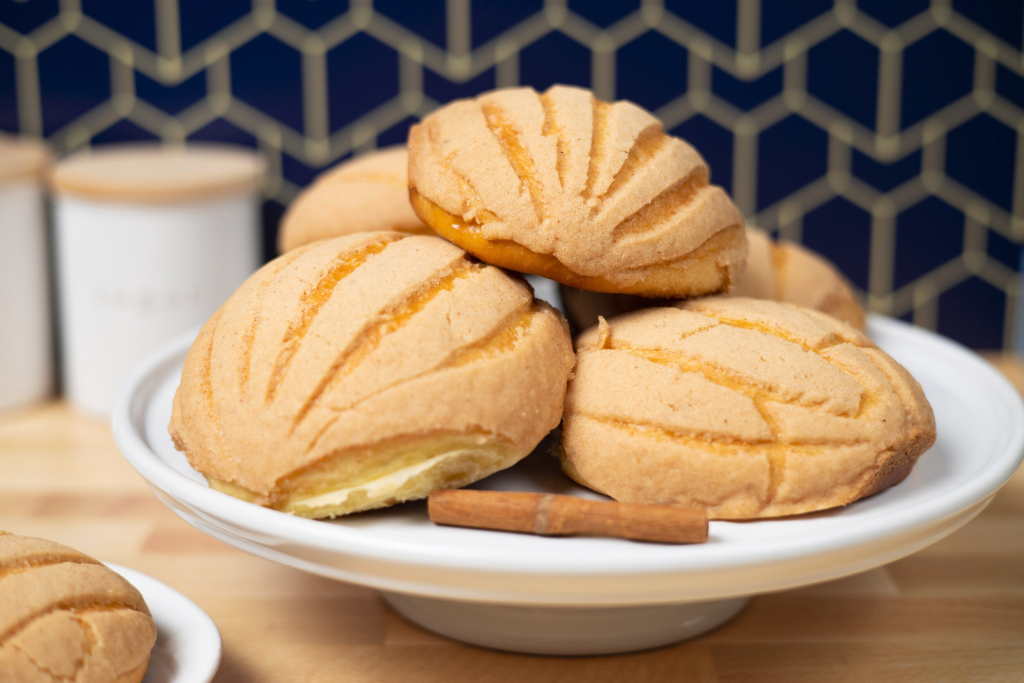
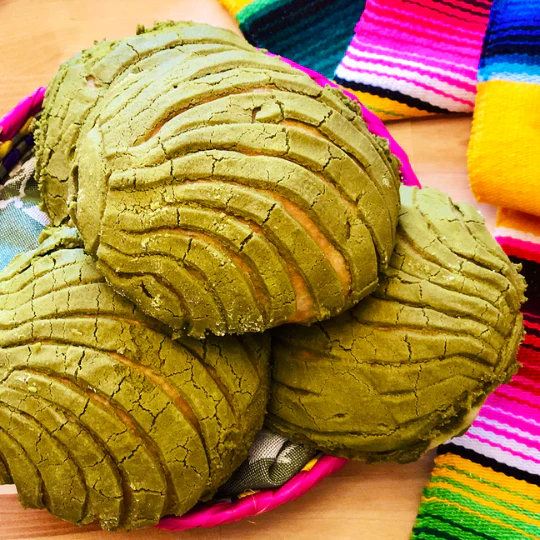
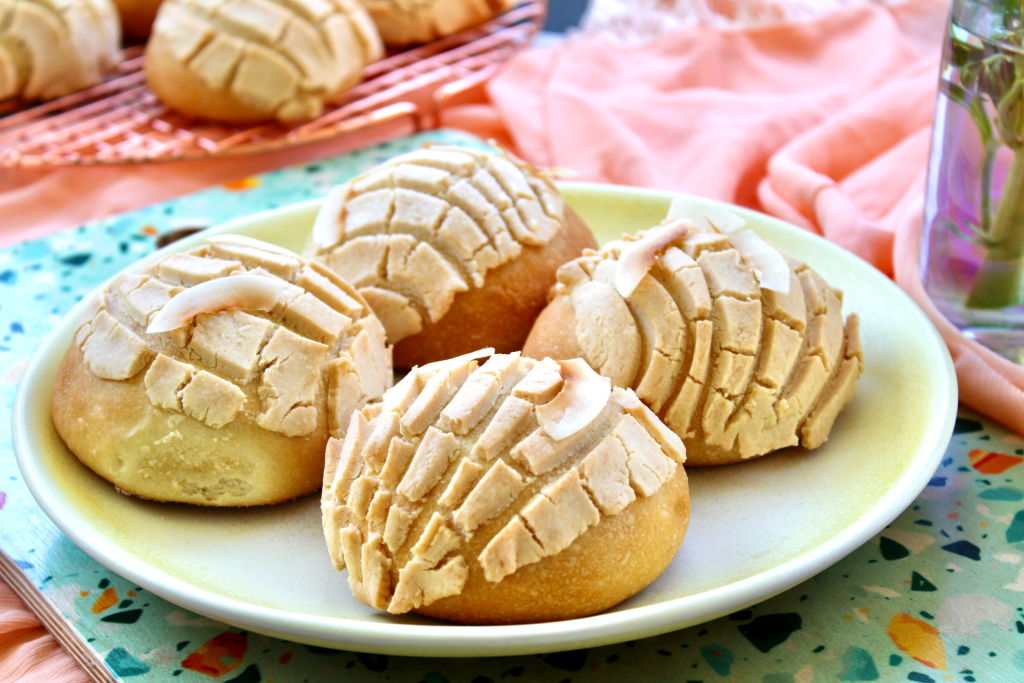
Algunas conchas modernas vienen en sabores creativos. Se agrega canela para dar calidez y sabor, y el café aporta un gusto rico y sutil. Las conchas de matcha tienen una corteza verde con sabores terrosos, mientras que el coco a menudo se mezcla con la corteza para un toque tropical. Estos nuevos sabores aportan un toque fresco a un favorito tradicional.
Some modern conchas come in creative flavours. Cinnamon is added for warmth and spice, and coffee gives a rich, subtle taste. Matcha conchas have a green crust with earthy flavours, while coconut is often mixed into the crust for a tropical twist. These new flavours bring a fresh touch to a traditional favourite.
LAS CONCHAS RELLENO
Las conchas tradicionales normalmente no tienen relleno. Sin embargo, en años recientes, las conchas rellenas se han vuelto más populares tanto entre los turistas como entre los locales. Ahora, las panaderías las ofrecen con rellenos como dulce de leche, crema batida o chocolate para atraer a más personas y agregar variedad. Aunque son deliciosas, estos rellenos son una idea moderna en lugar de una característica tradicional.
Traditional conchas don’t normally have fillings. However, in recent years, stuffed conchas have become popular both with tourists and locals. Bakeries now offer them with fillings like dulce de leche, whipped cream, or chocolate to appeal to more people and add variety. While delicious, these fillings are a modern idea rather than a traditional feature.
PAN DULCE
La frase ‘pan dulce’ se refiere a una variedad de panes dulces o pasteles que son populares en muchos países hispanohablantes, especialmente en México. Algunos ejemplos incluyen las conchas, las empanadas de dulce, las orejas y los cuernitos.
El pan dulce se originó con las tradiciones de panadería de España y Francia. Ahora es algo exclusivamente latinoamericano, especialmente en México, donde es una parte importante de la vida cotidiana y las celebraciones.
The phrase ‘pan dulce’ refers to a variety of sweet breads or pastries that are popular in many Spanish-speaking countries, especially Mexico. Some examples include conchas, empanadas de dulce, oreja, and cuernitos.
Pan dulce originated with the baking traditions of Spain and France. It is now something uniquely Latin American, especially in Mexico, where it is an important part of everyday life and celebrations.
símbolo cultural de México
Las conchas son un símbolo cultural de México, con su distintivo diseño que parece una concha de mar. Hay muchos sabores que representan la creatividad y la diversidad regional.
Las conchas son parte del ritmo diario de la vida mexicana. Un viaje a la panadería es casi un ritual.
Hay un alimento principal del desayuno, o bocadillos de la tarde, llamados la merienda, que a menudo se disfrutan con café con leche o chocolate caliente. El pan de muerto es específicamente hecho para las celebraciones del Día de Muertos.
Conchas are a cultural symbol of Mexico, with their distinctive design that looks like a seashell. There are many flavors that represent creativity and regional diversity.
Conchas are part of the daily rhythm of Mexican life. A trip to the bakery is almost a ritual.
There is a main breakfast food, or afternoon snack, called la merienda, which is often enjoyed with café con leche or hot chocolate. Pan de muerto is specifically made for Day of the Dead celebrations.
A LOVE OF AUTHENTICITY
Cuisine evolves over time, shaped by cultural exchanges, changing tastes, and modern influences—just as the concha was once influenced by French pastry techniques. But with change, there’s always a risk of losing the essence of what makes a tradition special.
Pan dulce seems like it is more than just food. Sitting on a quiet morning with a freshly baked concha and a warm cup of coffee is about more than just nourishment—it’s about living in the moment. Eating pan dulce is a sensory experience, one that connects people, provides comfort, and a shared history.
The point of pan dulce might be to slow down and enjoy the simple pleasures.
If modern adaptations, including gentrification, overshadow these moments, we might lose an important note from within the cultural rhythm, the note that reminds us daily to ground ourselves in the present.
Change can bring creativity, but I believe we should protect the rituals that pan dulce represents. Perhaps the challenge lies in finding a balance: embracing innovation while holding onto the simple, reflective rituals that make these traditions so meaningful.
Provecho!
Cuisine evolves over time, shaped by cultural exchanges, changing tastes, and modern influences—just as the concha was once influenced by French pastry techniques. But with change, there’s always a risk of losing the essence of what makes a tradition special.
Pan dulce, like conchas, is more than just food; it’s an experience. Sitting on a quiet morning with a freshly baked concha and a warm cup of coffee is about more than just nourishment—it’s about living in the moment. The soft, fluffy bread and the crunch of the sugary crust create a sensory experience, one that connects people to tradition, comfort, and a shared history.
The point of pan dulce might very well be to slow down and revel in simple pleasures. It’s about finding joy in the texture, flavour, and even the ritual of sitting with family or friends. If modern adaptations overshadow these moments, we might lose not just a recipe but a cultural rhythm—a way of grounding ourselves in the present while staying connected to the past.
Change can bring creativity, but it’s crucial to protect those timeless, grounding experiences that pan dulce represents. Perhaps the challenge lies in finding a balance: embracing innovation while holding onto the simple, reflective rituals that make these traditions so meaningful.
Provecho!
ss