
Poner – More Than “Put”
The Core Meaning of “Poner” → “To Place, Set, or Apply Something”
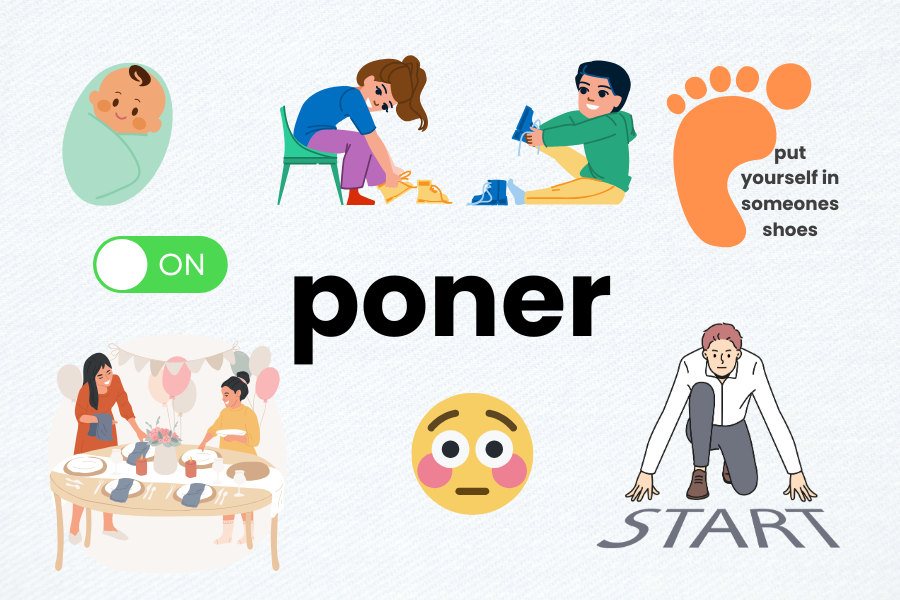
At its root, poner means to place, position, or apply something—physically, mentally, or emotionally. Over time, this base meaning expanded metaphorically into many different uses.
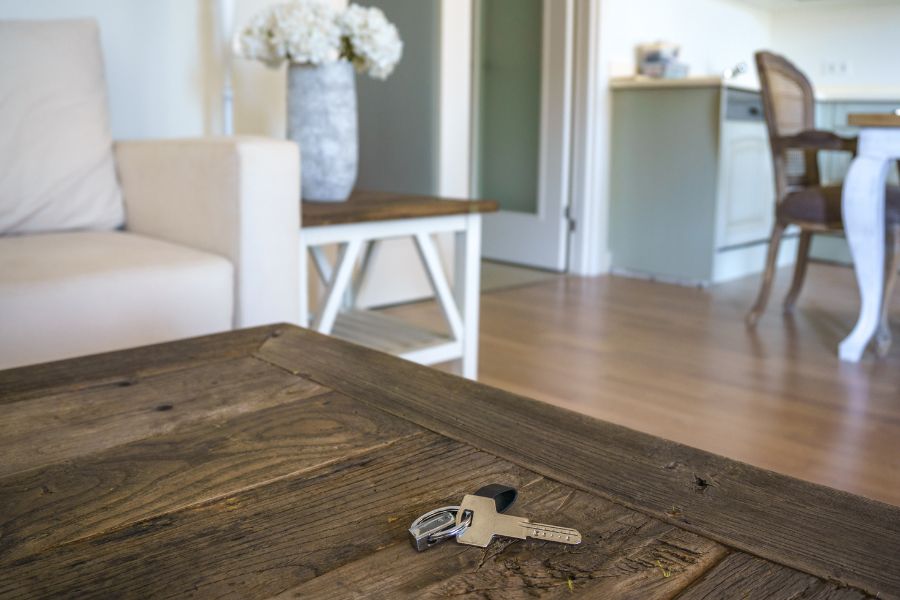
Basic meaning: To put/place
- Pongo las llaves en la mesa. → I put the keys on the table.
- ¿Dónde pusiste mi celular? → Where did you put my phone?
📌 Core idea: Moving or placing something somewhere.

To turn on (electronics/appliances)
- Pon la televisión, por favor. → Turn on the TV, please.
- Voy a poner la radio. → I’m going to turn on the radio.
📌 Connection: When you “put” a device in an on state, you’re “placing” it into action.

To wear or put on (clothes)
- Me pongo una chaqueta cuando hace frío. → I put on a jacket when it’s cold.
- Me pongo los zapatos antes de salir. → I put on my shoes before leaving.
- Él se pone una gorra cuando hace sol. → He puts on a cap when it’s sunny.
- Nos ponemos abrigos en invierno. → We put on coats in winter.
📌 Connection: You are “placing” clothes on your body.

To set up or arrange
- Voy a poner la mesa para la cena. → I’m going to set the table for dinner.
- Pon las sillas en círculo. → Set the chairs in a circle.
- Pongamos un horario para estudiar. → Let’s set a study schedule.
- Quiero poner un negocio de café. → I want to set up a coffee business.
- Me puse el objetivo de aprender español este año. → I set myself the goal of learning Spanish this year.
📌 Connection: You are placing objects in an organized way.
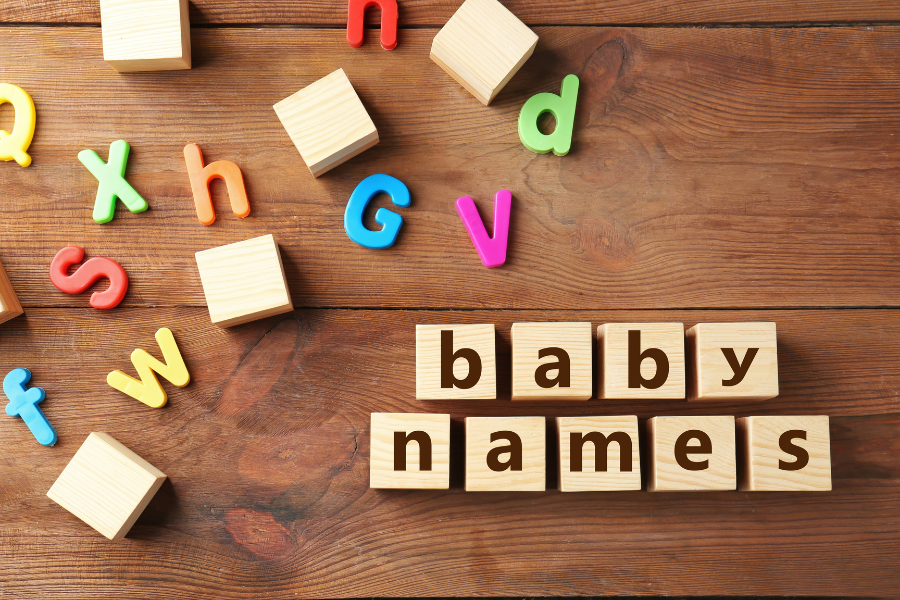
To name something
- Le pusieron “Luis” al bebé. → They named the baby “Luis.”
📌 Connection: A name is “placed” onto someone, just like an object is placed somewhere.

Emotional/Physical Change
- Eso me pone triste. → That makes me sad.
- Tu actitud me pone nervioso. → Your attitude makes me nervous.
- Me puse feliz. → I became happy. (I “put” myself into happiness.)
📌 Connection: Emotions are like states you “enter” or are “put into.”

Reflexive form (ponerse) – To become
- Me pongo feliz cuando te veo. → I get happy when I see you.
- Se puso enojado de repente. → He suddenly got angry.
- Se puso rojo cuando le besaron las mejillas. He blushed when they kissed his cheeks.
📌 Connection: You are “placing” clothes on your body.
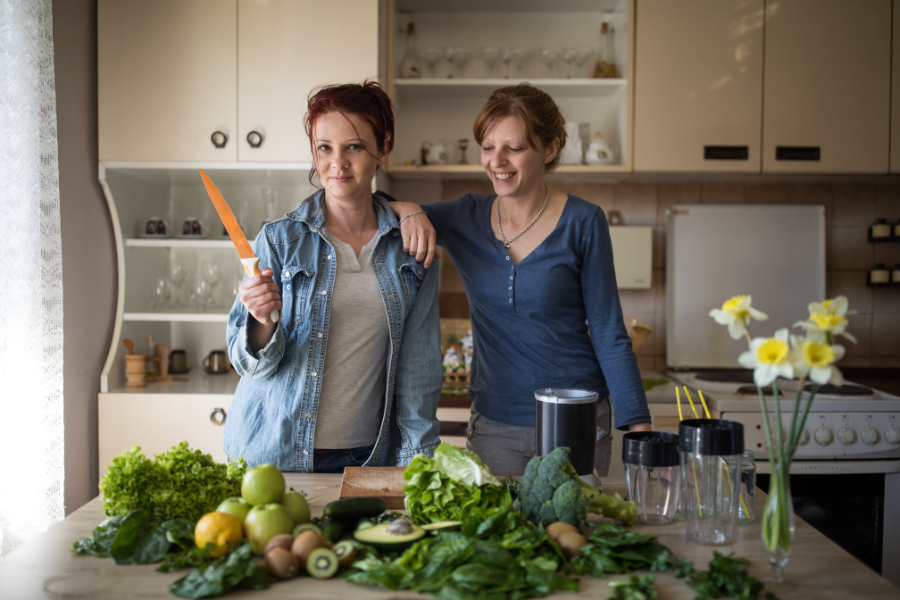
To start doing something (ponerse a + infinitive)
- Me puse a estudiar español. → I started studying Spanish.
- Nos pusimos a cocinar. → We started cooking.
- Me puse a estudiar. → I started studying.
- Se puso a llorar. → He started crying.
📌 Connection: You’re “placing yourself” into the act of doing something.

Abstract Uses & Idioms (Still Connected!)
- Ponerse de acuerdo. → To reach an agreement. (“Put oneself in agreement.”)
- Ponerse las pilas. → To get your act together. (“Put in your batteries.”)
- Ponerse en los zapatos de alguien. → To put yourself in someone’s shoes.
📌 Even here, the core idea remains: “placing” oneself into a mindset, action, or role.