
Mi Huerto
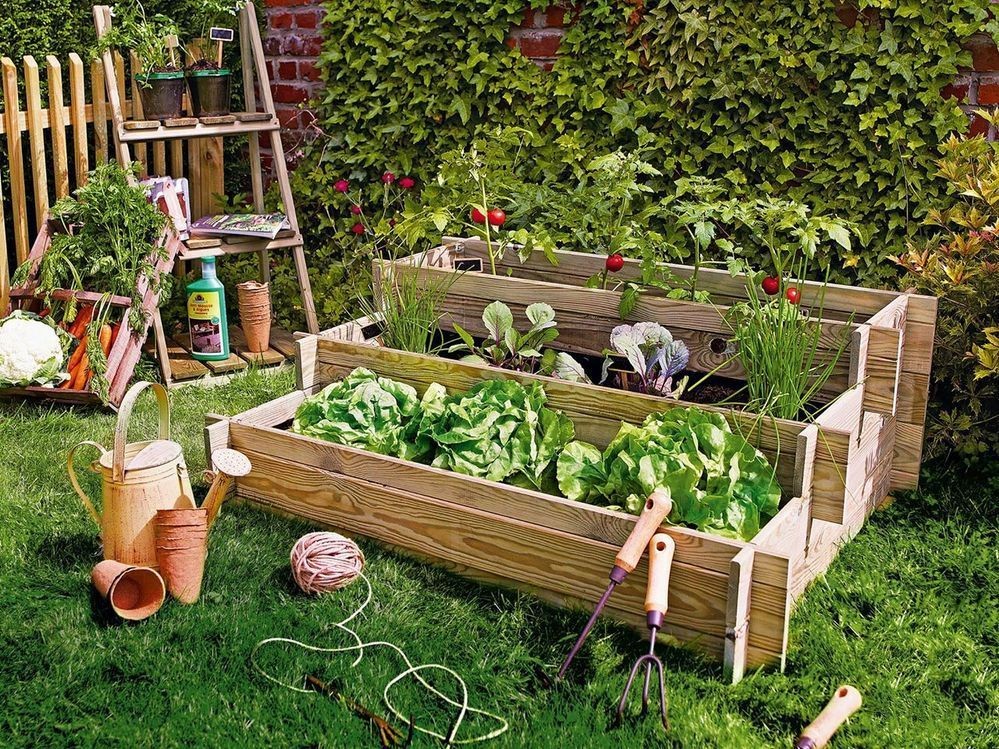
Tengo un huerto en mi patio trasero. I have a vegetable garden in my backyard.
Disfruto la jardinería por varias razones. I enjoy gardening for a few reasons.
Uno, tengo la oportunidad de cultivar mi propia comida. One, I get to grow my own food.
Dos, puedo conectar con la naturaleza. Two, I get to connect with nature.
Tres, hago algo de ejercicio. Three, I get some exercise.
Cultivo de Alimentos – Growing Food
No me gusta cocinar, pero me encanta aprender a cocinar las verduras que cultivo. I don’t like cooking, but I love learning how to cook the vegetables I grow.
Las culturas tradicionales tienen mucho conocimiento sobre cultivar, almacenar y cocinar la comida. Traditional cultures have a lot of knowledge about growing, storing and cooking food.
Cuando cultivo mi propia comida, veo estas cosas en acción, y aprendo nuevas habilidades. When I grow my own food, I see these things in action, and I learn new skills.
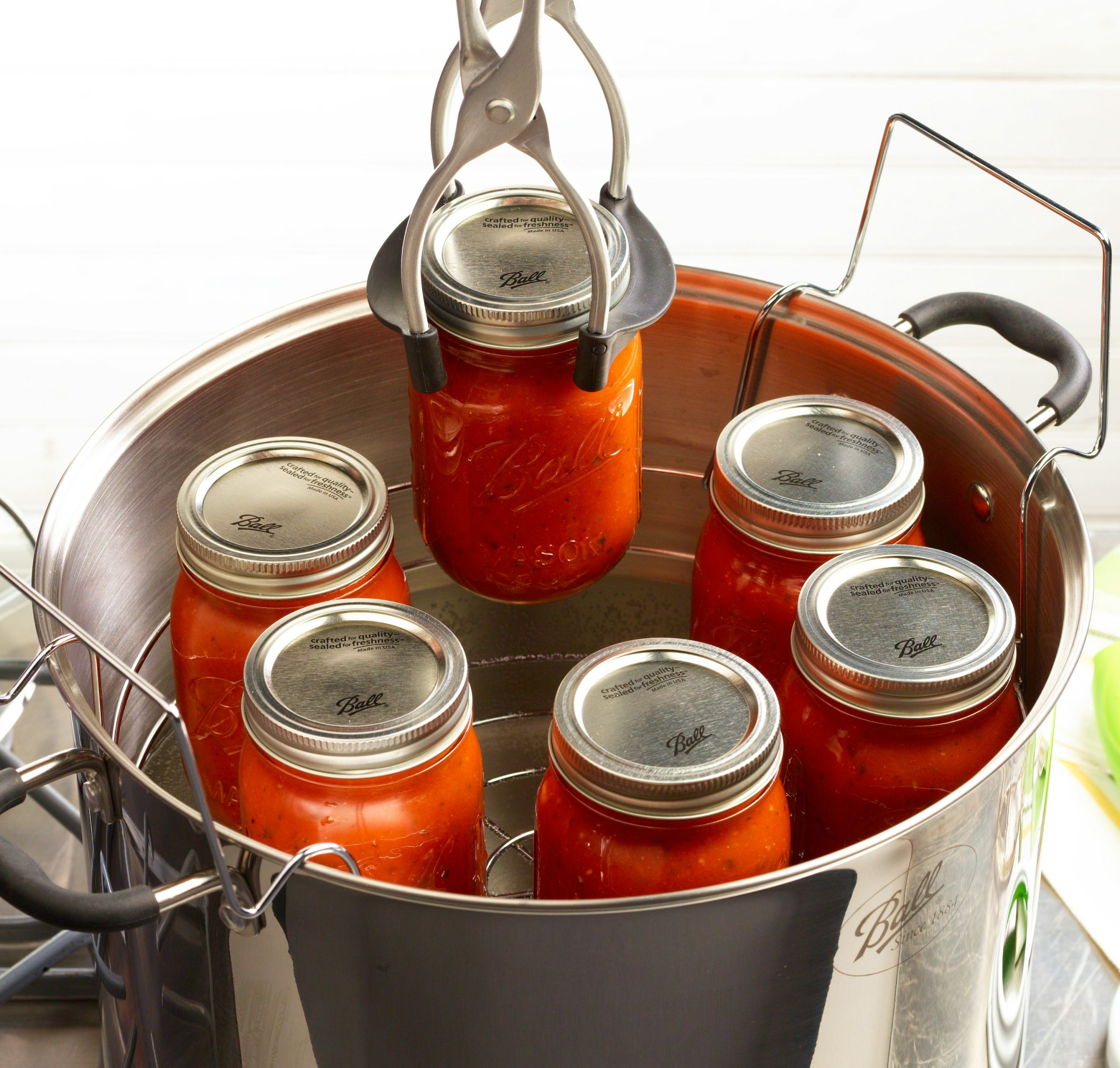
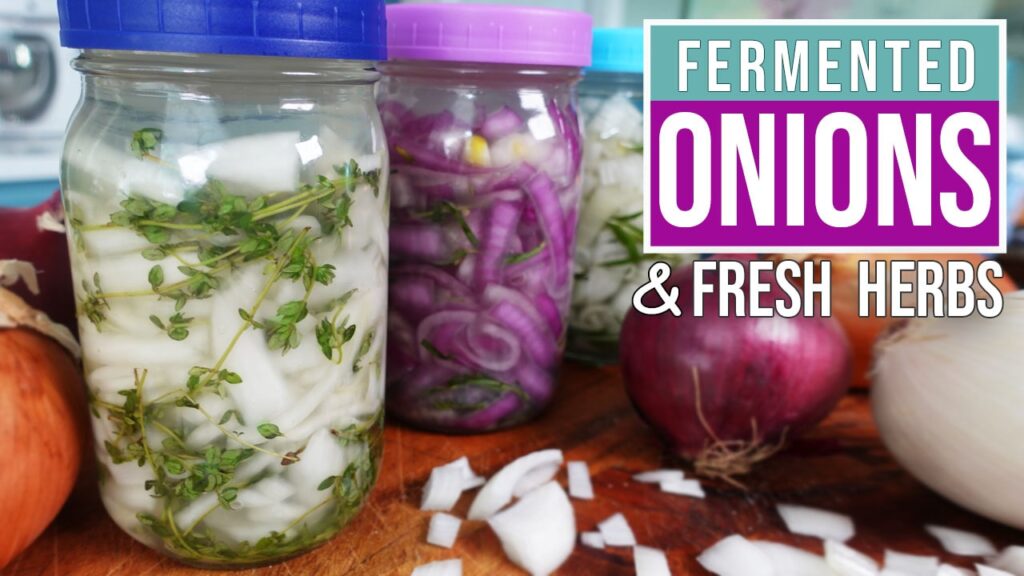
No se puede evitar estar conectado con la tierra y la naturaleza, cuando se trabaja con los cicles naturales de vida y muerte, el tiempo, el clima y las estaciones. You can’t help but be connected to the land and nature, when you work with the natural cycles of life and death , weather, climate and seasons.
No soy una gran jardinera. I’m not a great gardener.
Intento cultivar las verduras, y si tengo suerte (SWER-teh), tengo algunas verduras al final de la temporada. I try to grow things and if I’m lucky I have some vegetables at the end of the season.
Creo que verduras como zanahorias, papas y acelga son fáciles de cultivar. I think vegetables like carrots, potatoes and chard are easy to grow.
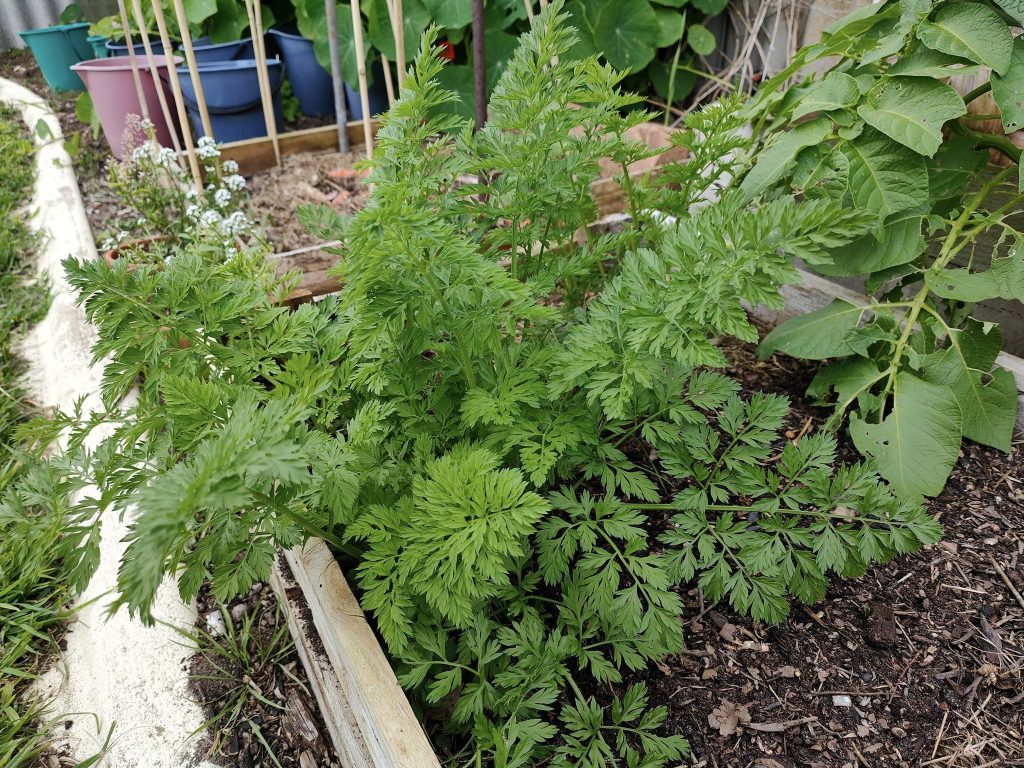
zanahorias
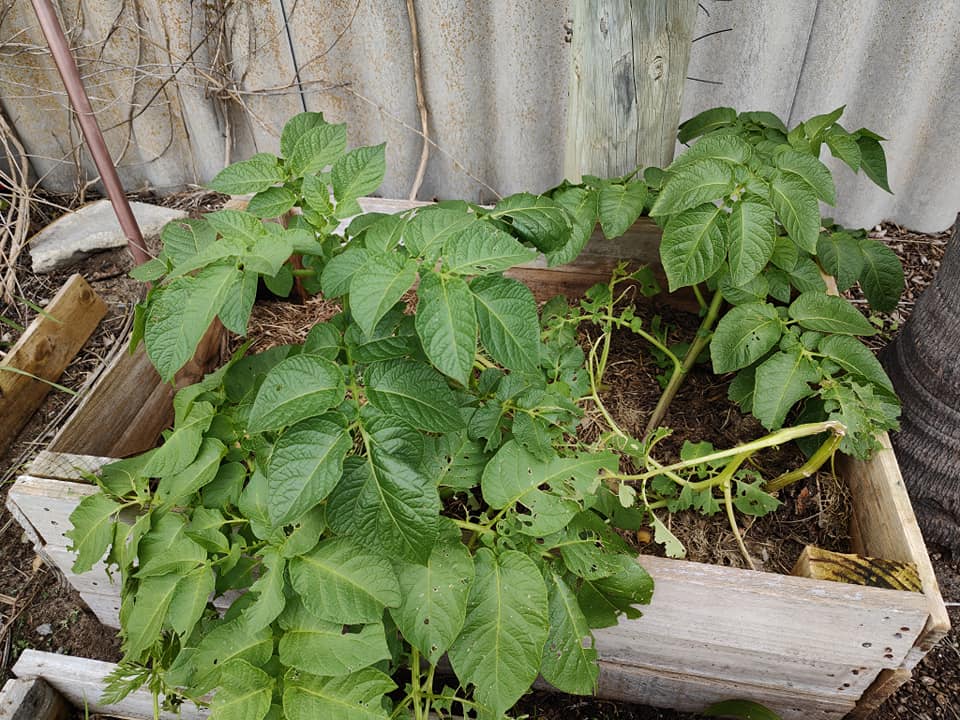
papas
Pero intento cultivar otras verduras también, como brócoli, ajo y frijoles. But I try to grow other vegetables too, like broccoli, garlic and beans.
Me encanta ver a los pájaros, abejas y mariposas alimentarse de las flores, polinizando mientras avanzan. I love watching the birds, bees and butterflies feed from the flowers, pollinating as they go.
También planto flores para atraer a polinizadores. I also plant flowers to attract pollinators.
Ya no soy cautelosa con las abejas; ahora las encuentro muy interesantes mientras las observo trabajar. I am not wary of bees anymore; now I find them very interesting as I watch them work.
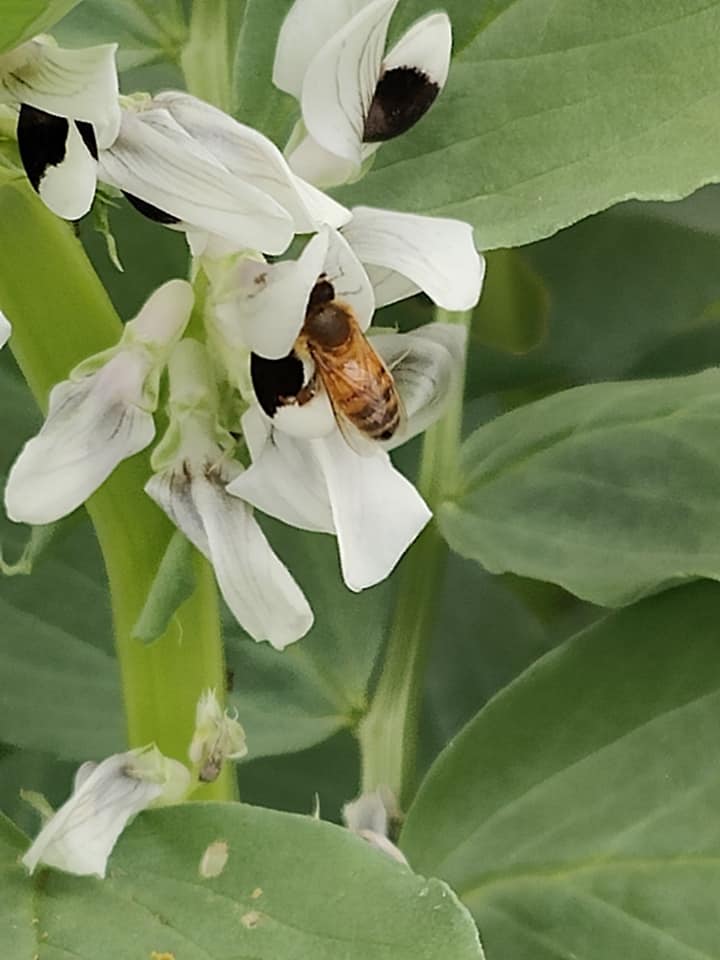
Una abeja ocupada
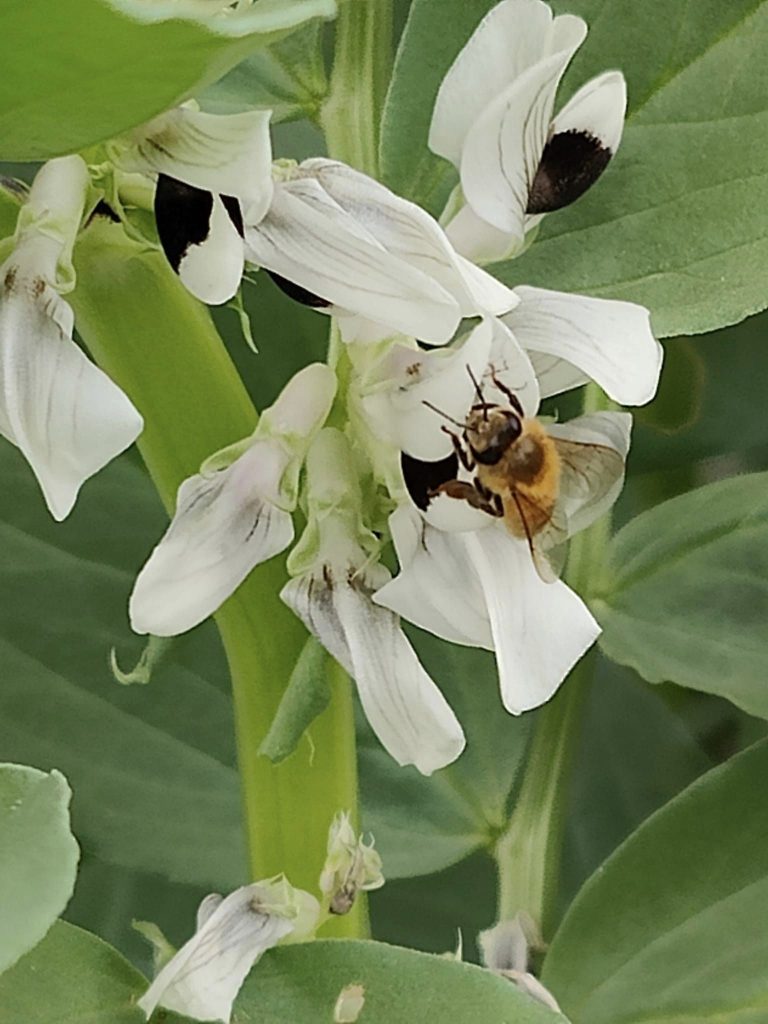
Una abeja sobre la flor de los frijoles
A veces se puede ver el polen que llevan en sus patas traseras. Sometimes you can see the pollen they carry on their back legs.
abejas – bees
acelga ah-SEL-gah – chard
ajo – garlic
algo – some
alimentarse – feed oneself
alimentos – a comprehensive term that encompasses all types of food and nutritional substances. It’s used in more formal or scientific contexts, including discussions about nutrition, food production, and general food categories. This term covers everything from raw ingredients to processed foods – essentially anything consumable for sustenance. “Alimentos” is often the preferred word referring to the growing of various food sources rather than specific prepared meals.
almacenar ahl-mah-seh-NAR – to store
calcetines – socks
cautelosa – cautious
conocimiento – knowledge
estaciones – (four) seasons
evitar – to avoid
habilidades – skills
Huerto WEHR-toh – a small, personal garden where people grow their own produce
la jardinería – the gardening (noun)
mariposas – butterflies
Mientras avanzan – “as they go” or “while they move forward”
mientras – while or as
avanzan – from avanzar, to move forward
se puede evitar estar – one can’t help but be
patas traseras – “patas” is used for legs in animals, and “traseras” means “back” or “hind”
Polinizar – to pollinate (verb)
Polinizador/polinizadora – pollinating (adjective) or pollinator (noun)
suerte SWER-teh – luck
temporada – (the) season (for)
“Fueran” is the imperfect subjunctive tense, which is used in certain hypothetical or non-real situations, not just in the past. In the sentence, “Parece como si fueran calcetines gruesos y naranjas,” it’s being used in a hypothetical sense, meaning “as if they were.”
- “Parece como si fueran” translates to “It looks as if they were.”
- The phrase “como si” (as if) is typically followed by the imperfect subjunctive tense, which is why “fueran” is used here.
“Ya” for “Anymore” or “No Longer”
- When used with a negative phrase, “ya” conveys the idea that something that used to be true is no longer the case.
- Example: “Ya no soy cautelosa con las abejas.” – “I am not cautious with bees anymore.” (Meaning you used to be cautious, but now you aren’t.)
“Ya no soy cautelosa con las abejas,” “ya” is combined with “no” to indicate that a previous state of being cautious is no longer true. The phrase literally translates to “I am no longer cautious with bees,” which is the same as saying “I am not cautious with bees anymore.”
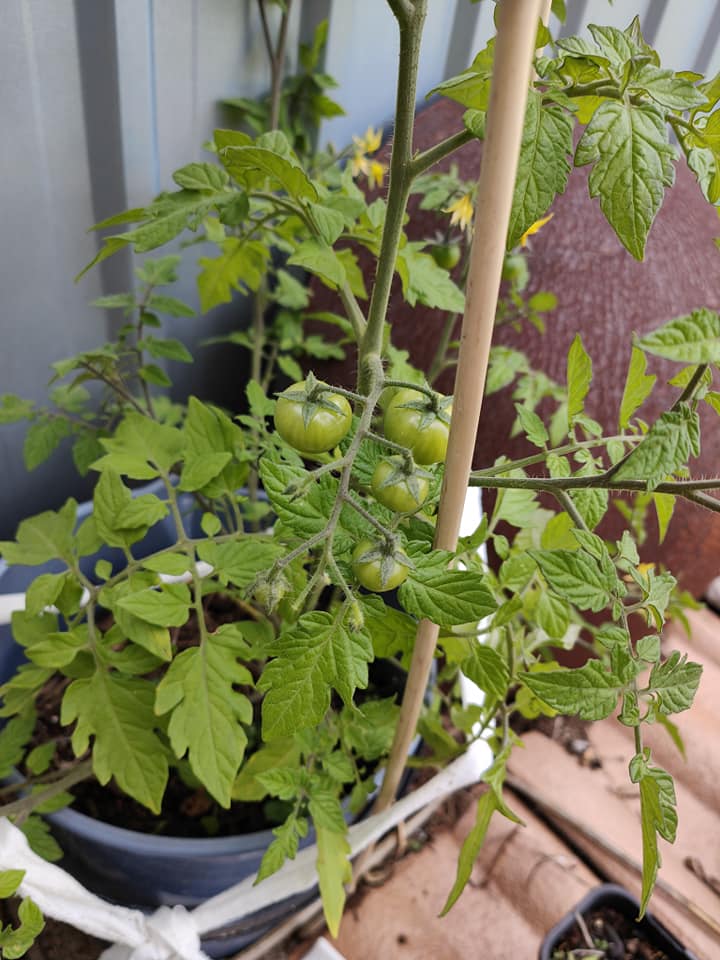
tomates sorpresa – no sé la variedad!
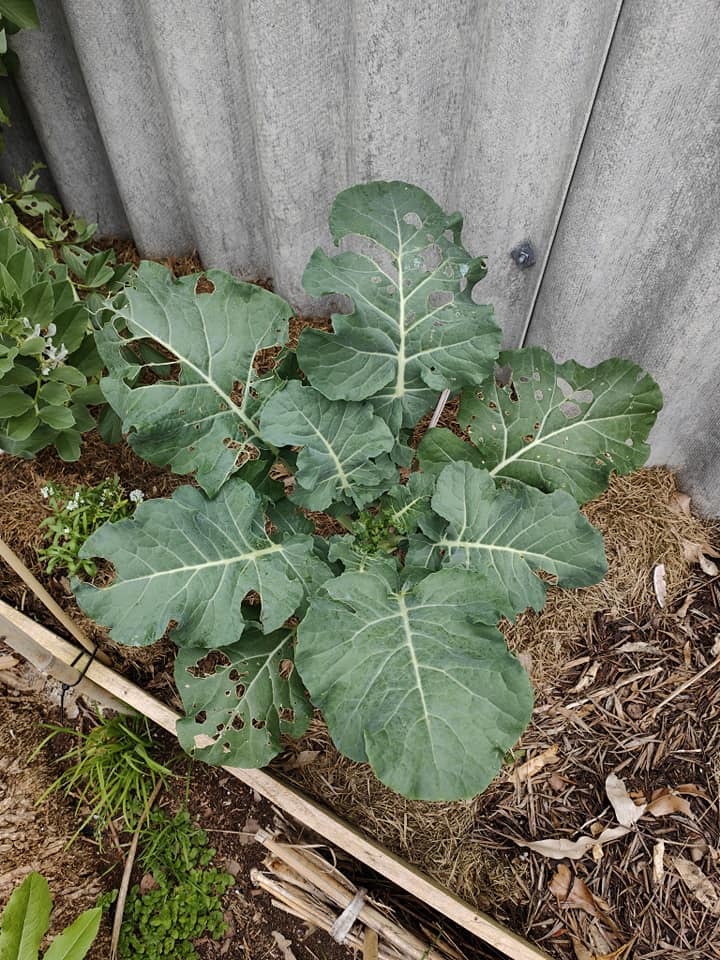
brócoli – demasiados caracoles
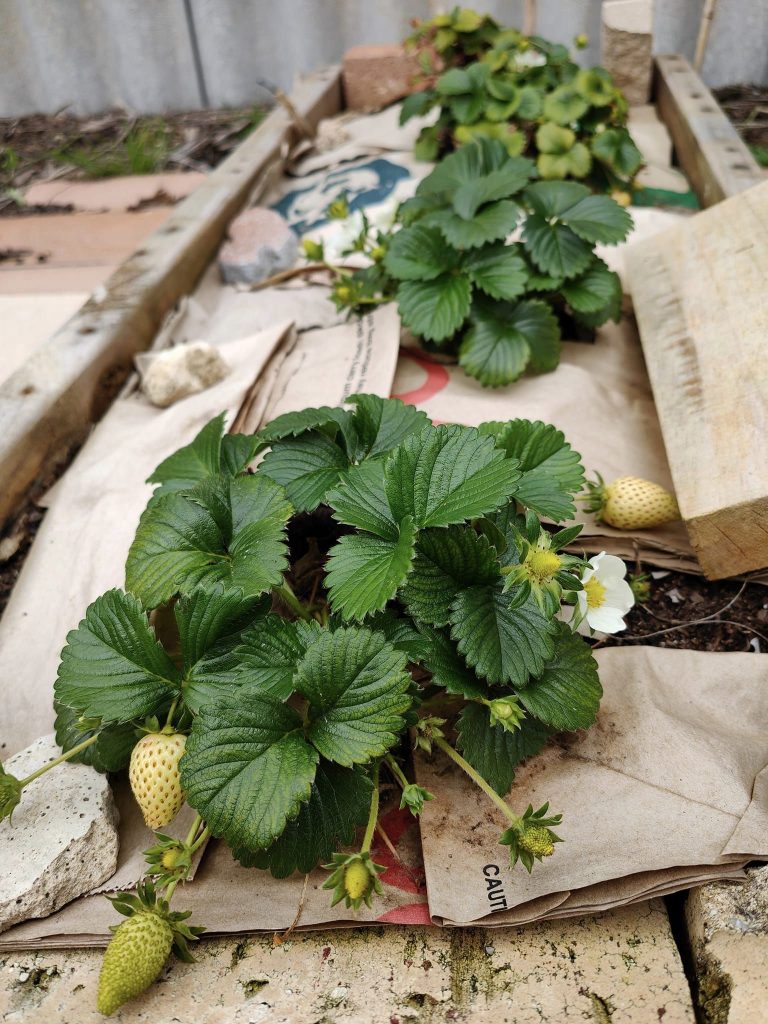
fresas