
Sequence of Events with Progressive Tenses
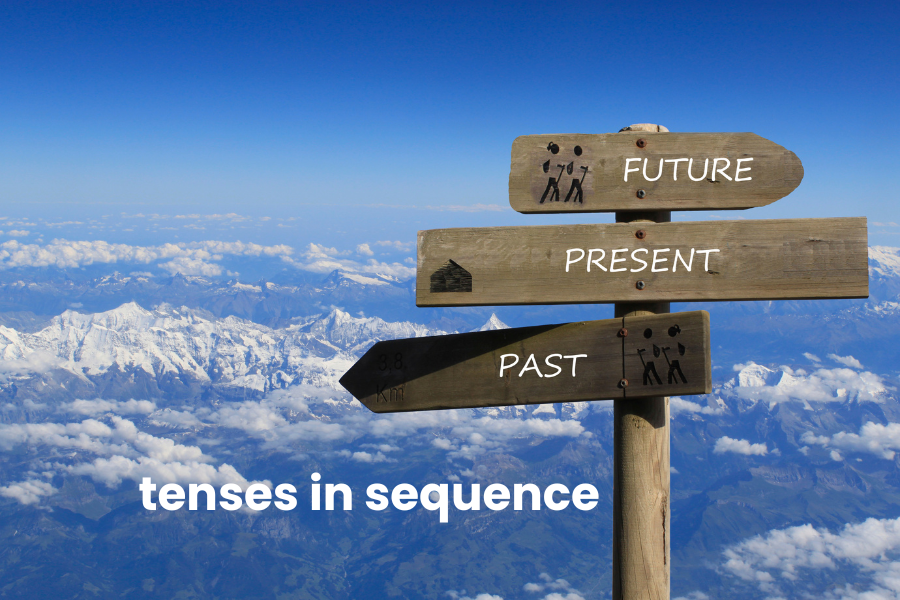
Exercise in talking through a sequence of events conversationally using different tenses.
Past → Present → Future
Past Tenses:
- Preterite: Ayer fui al supermercado. (Yesterday, I went to the supermarket.)
- Imperfect: Cuando era niño, jugaba en el parque. (When I was a child, I used to play in the park.)
- Present Perfect: He hecho mi tarea. (I have done my homework.)
Present Tenses
- Simple Present: Estudio español todos los días. (I study Spanish every day.)
- Present Progressive: Estoy escribiendo una carta. (I am writing a letter.)
Future Tenses
- Ir + a + Infinitive: Voy a viajar a México. (I’m going to travel to Mexico.)
- Simple Future: Mañana visitaré a mi abuela. (Tomorrow, I will visit my grandmother.)
1. Me estaba preparando una taza de café. (I was making myself a cup of coffee.)
2. Fui al refrigerador por la leche. (I went to the fridge for the milk.)
3. Abro la nevera y me doy cuenta de que no hay leche. (I open the fridge, and realize there is no milk.)
4. Ahora tengo que ir a la tienda. (Now I have to go to the shop.)
1. Estaba lavando los platos cuando sonó el teléfono. (I was washing the dishes when the phone rang.)
2. Corrí a contestarlo, pero no llegué a tiempo. (I ran to answer it, but I didn’t get there in time.)
3. Luego vi que tenía un mensaje de voz. (Then I saw that I had a voicemail.)
4. Decidí escucharlo después de terminar los platos. (I decided to listen to it after finishing the dishes.)
1. Estaba caminando por el parque cuando empezó a llover. (I was walking through the park when it started to rain.)
2. Corrí a buscar un lugar para cubrirme, pero no lo encontré. (I ran to find a place to take cover, but I didn’t find one.)
3. Me estaba mojando mucho, así que decidí regresar a casa. (I was getting very wet, so I decided to go back home.)
4. Cuando llegue a casa me prepararé un té caliente. (When I get home, I’ll make myself some hot tea.)
1. Estaba trabajando en mi escritorio cuando me di cuenta de que tenía hambre. (I was working at my desk when I realized I was hungry.)
2. Fui a la cocina para ver qué podía comer. (I went to the kitchen to see what I could eat.)
3. Ahora estoy comiéndome un sándwich y descansando un poco. (Now I’m eating a sandwich and taking a little break.)
4. Cuando termine, voy a volver al trabajo para acabar todo antes de las cinco. (When I finish, I’m going to go back to work to finish everything before five.)