
Acampanda en el Outback

This is a childhood story to practice using simple past tense and imperfect (used to) tense.
simple past tense is in italics.
imperfect tense is in bold.
Cuando tenía once años, fui de acampada en el desierto rojo del Outback. When I was eleven, I went camping in the red desert of the Outback.
Fui con mi mejor amiga y su familia. I went with my best friend and her family.
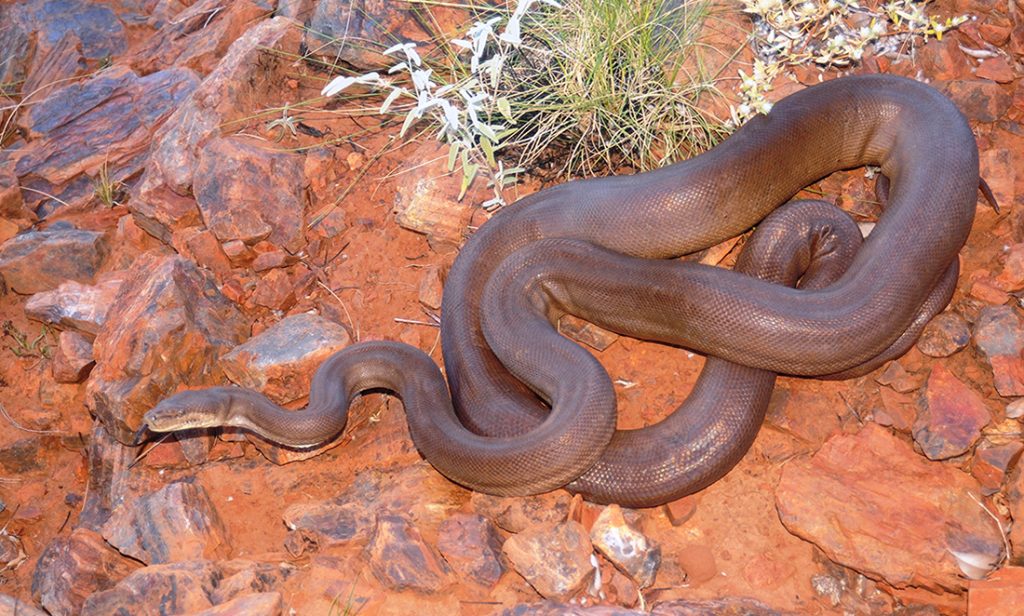
Nunca olvidaré cuando una tarde mi amiga, su hermana menor y yo estábamos explorando y vimos una serpiente grandísima. I will never forget one afternoon when my friend, her younger sister and I were exploring and saw a huge snake.
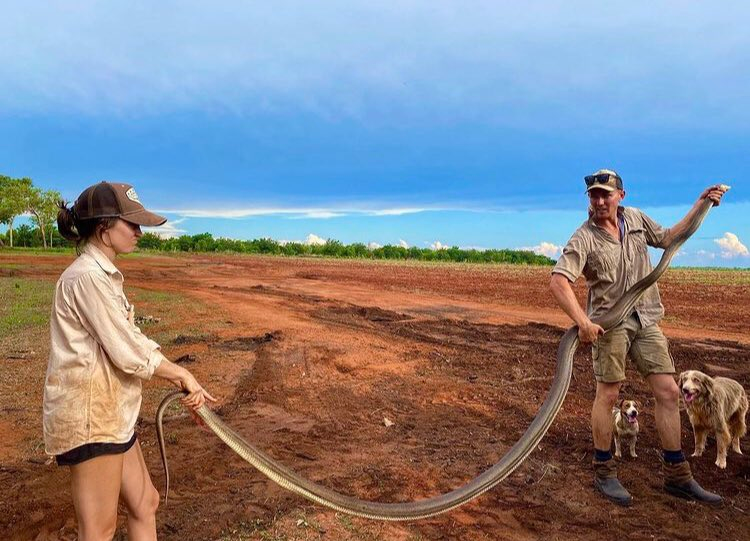
No era venenosa, pero era tres metros de largo! It was not venomous, but it was three meters long!
Mi papá siempre decía que NUNCA correr cuando se ve una serpiente. My dad always said to NEVER run when you see a snake.
Pero la hermana menor tenía tanto miedo que literalmente corrió fuera de sus zapatos! But the younger sister was so scared that she literally ran out of her shoes!
Cuando la serpiente se movió lejos, recogí los zapatos y los llevé al campamento. When the snake moved away, I picked up the shoes and carried them back to camp.
Probablemente era una pitón oliva. Pueden crecer hasta 6.5 metros de largo. Lo suficientemente grande como para comerse un canguro o a lo mejor una niña pequeña! It was probably an olive python. They can grow up to 6.5 metres long. Big enough to eat a kangaroo or maybe a little girl!
Simple Past Tense Endings (Preterite)
-ER and -IR Verbs
- Yo: -í
- Tú: -iste
- Él/Ella/Usted: -ió
- Nosotros/as: -imos
- Ellos/Ellas/Ustedes: -ieron
-AR Verbs
- Yo: -é
- Tú: -aste
- Él/Ella/Usted: -ó
- Nosotros/as: -amos
- Ellos/Ellas/Ustedes: -aron
Used to / Imperfect Tense Endings
-ER and -IR Verbs
- Yo: -ía
- Tú: -ías
- Él/Ella/Usted: -ía
- Nosotros/as: -íamos
- Ellos/Ellas/Ustedes: -ían
-AR Verbs
- Yo: -aba
- Tú: -abas
- Él/Ella/Usted: -aba
- Nosotros/as: -ábamos
- Ellos/Ellas/Ustedes: -aban
“De vuelta” isn’t an adverb; rather, it’s a fixed expression that modifies the verb to indicate “back” or “return” in various contexts. Here are some common examples:
- Volver de vuelta – To return or come back
- Example: “Volvió de vuelta a casa.” – He/she came back home.
- Traer de vuelta – To bring back
- Example: “Trajo el libro de vuelta.” – He/she brought the book back.
- Estar de vuelta – To be back (often after being away)
- Example: “Estoy de vuelta en la oficina.” – I’m back at the office.
- Poner de vuelta – To put back
- Example: “Ponlo de vuelta en la mesa.” – Put it back on the table.
- Mandar de vuelta – To send back
- Example: “Lo mandaron de vuelta a su país.” – They sent him back to his country.
a lo mejor – maybe (casual speech)