
Ropa Limpia
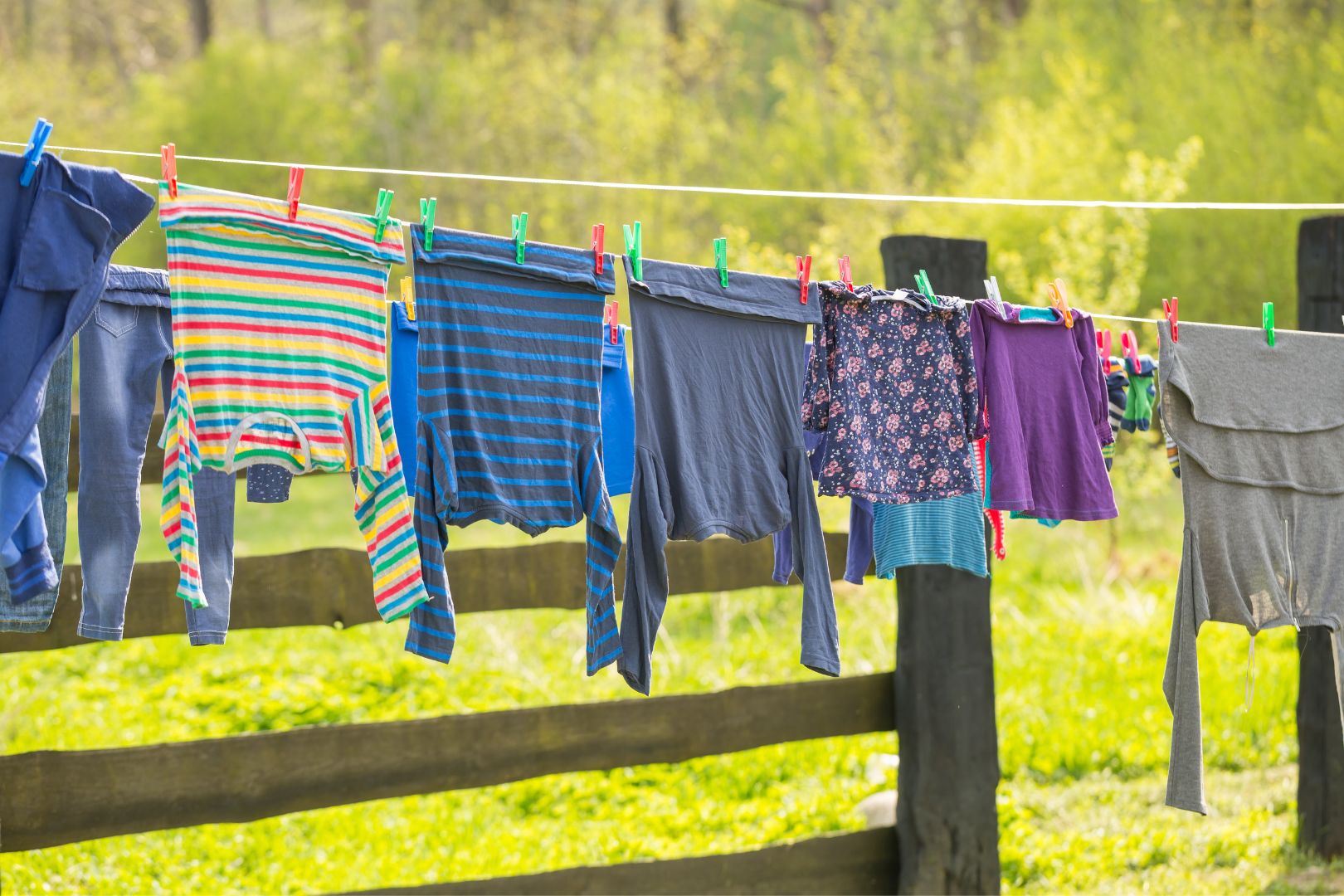
Tengo que lavar nuestra ropa dos o tres veces por semana, si no, no tenemos nada que ponernos. I have to wash our clothes three or four times a week otherwise we have nothing to wear.
Recojo mi ropa sucia del piso de mi dormitorio y recojo la ropa sucia de mi hijo del piso de su dormitorio y pongo todo en la canasta de la ropa. I pick up my dirty clothes from my bedroom floor and pick up my son’s dirty clothes from his bedroom floor and put everything in the laundry basket.
Cuando lavo la ropa, pongo toda la ropa de color oscuro junta en un lavado y toda la ropa de color claro junta en otro. ¡Recuerda, rojo y blanco hacen rosa! When I do laundry, I put all the dark colored clothes together in one wash and all the light colored clothes together in another. Remember, red and white make pink!
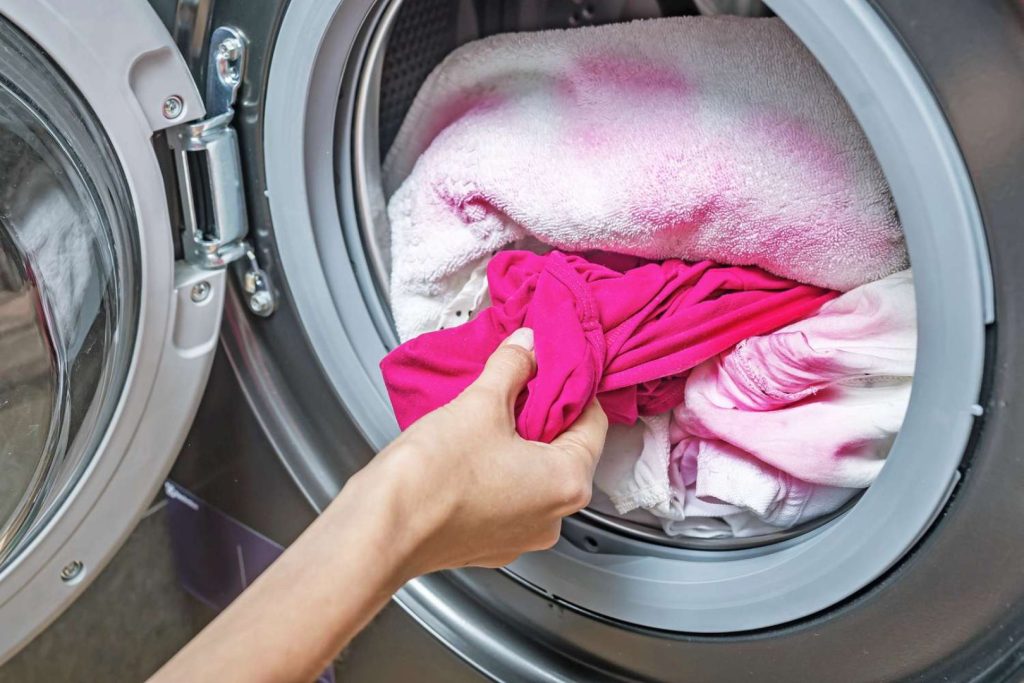
Pongo la ropa sucia en la lavadora, agrego el detergente (o ‘la salsa de lavadero’ como lo llama mi hija) y enciendo / prendo la lavadora.
La lavadora tiene un ciclo de lavado, un ciclo de enjuague (en-HWA-geh) y luego un ciclo de centrifugado. The washing machine has a wash cycle, a rinse cycle, and then a spin cycle.
Al final del ciclo de centrifugado, saco la ropa mojada de la lavadora y la (it) cuelgo en el tendedero para que se seque. At the end of the spin cycle, I take the wet clothes out of the washing machine and hang them on the clothesline to dry.
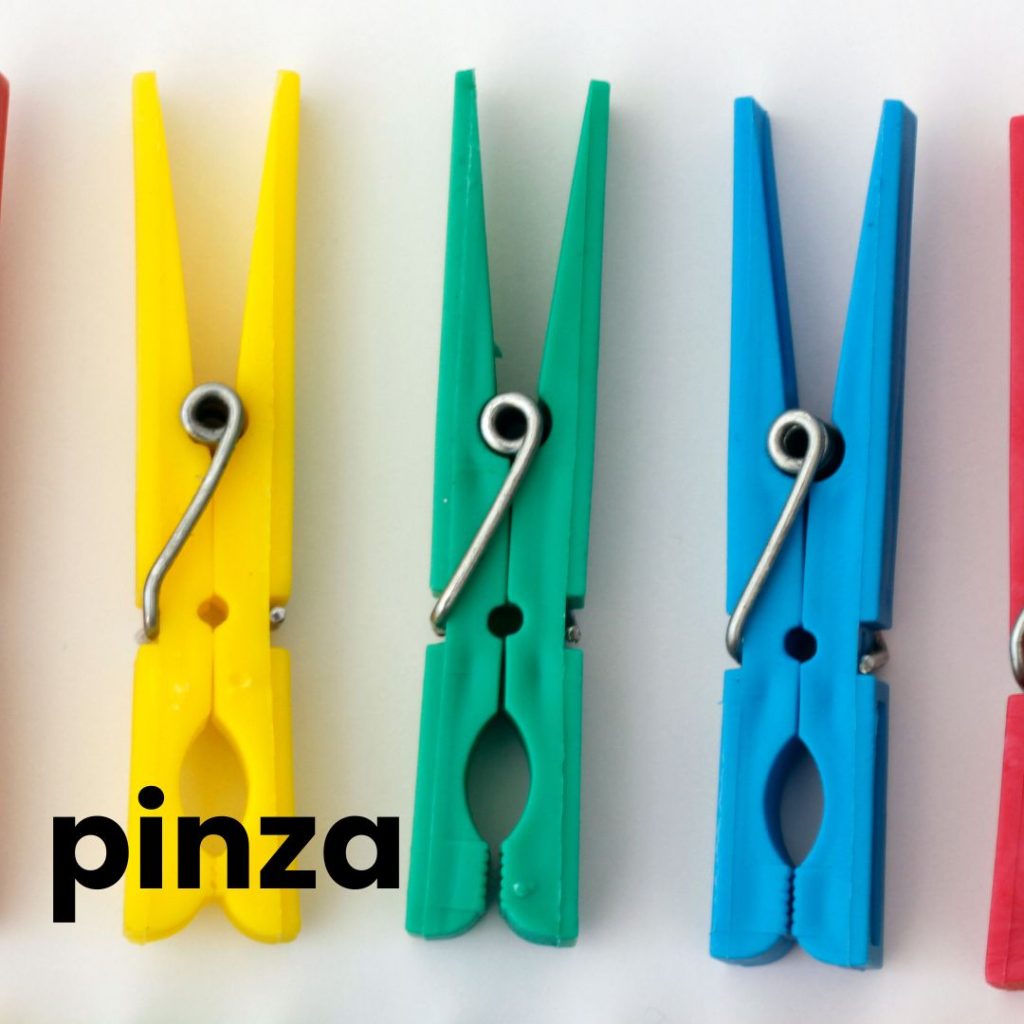
Cuelgo la ropa en el tendedero con pinzas. I hang the clothes on the clothesline with pegs.
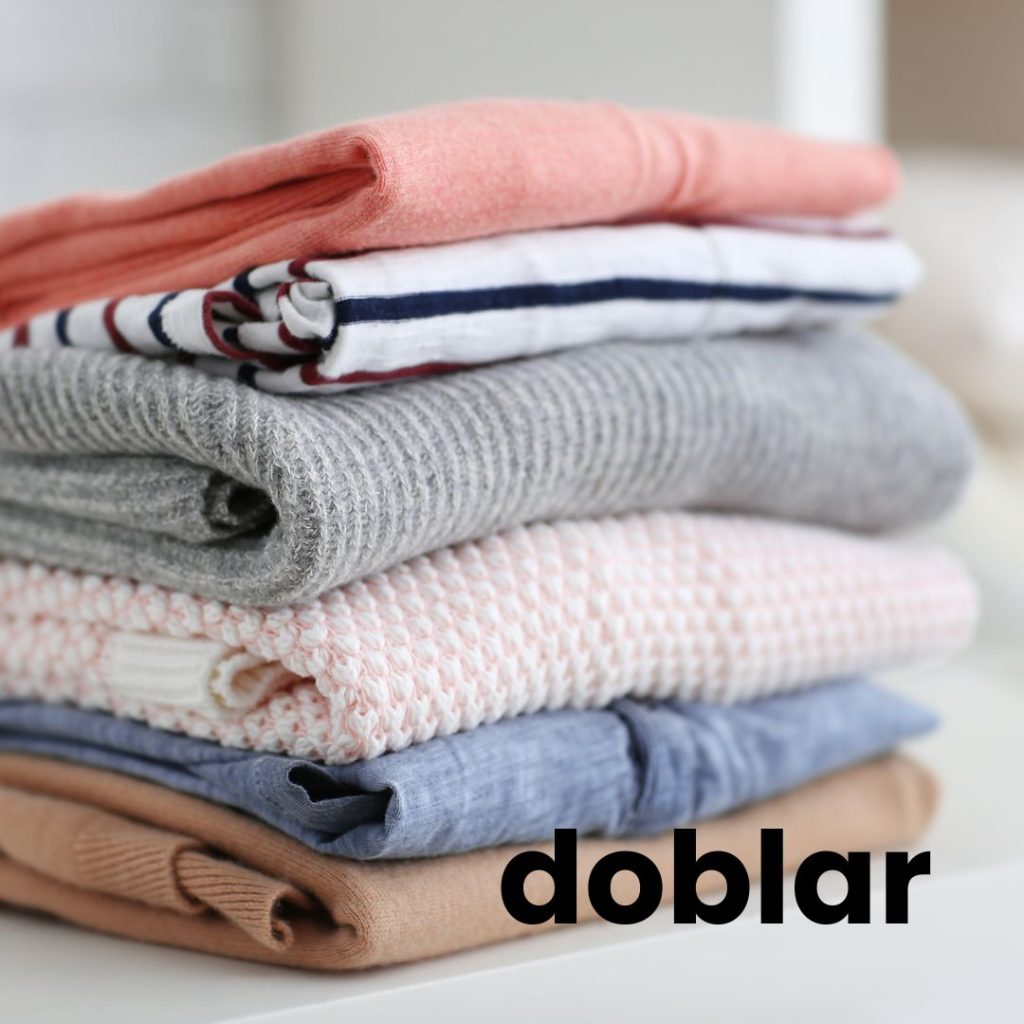
Cuando la ropa está seca, la quito del tendedero y la llevo adentro para doblarla y guardarla. When the clothes are dry, I take them off the line and inside to fold and put away.
La próxima semana, lo haré todo de nuevo. Next week, I’ll do it all again.

Me: The use of the subjunctive conjugation for clothes drying on the line is funny in this situation. In Australia everything is guaranteed to dry.
ChatGPT: That’s a great point! With Australia’s sunny climate, I can see why the subjunctive might feel unnecessary when it comes to drying clothes—it’s practically guaranteed! But in Spanish, the subjunctive sneaks into all sorts of situations, even when it seems like the outcome is obvious.
In more uncertain weather (like in places where it rains a lot), “para que se seque” might make more sense, as it’s not always a given.
It’s funny how language can reflect even environmental differences.
si no – otherwise
canasta de la ropa – laundry basket
lavado – the wash; el (n)
agregar – to add
enciendo – “turn on” or “start” when referring to a machine
encender is a very literary formal word for start.
Everyday spanish in Mexico uses prender for start.
ciclo de enjuague – rinse cycle; (n) from (v); enjuagar – to rinse
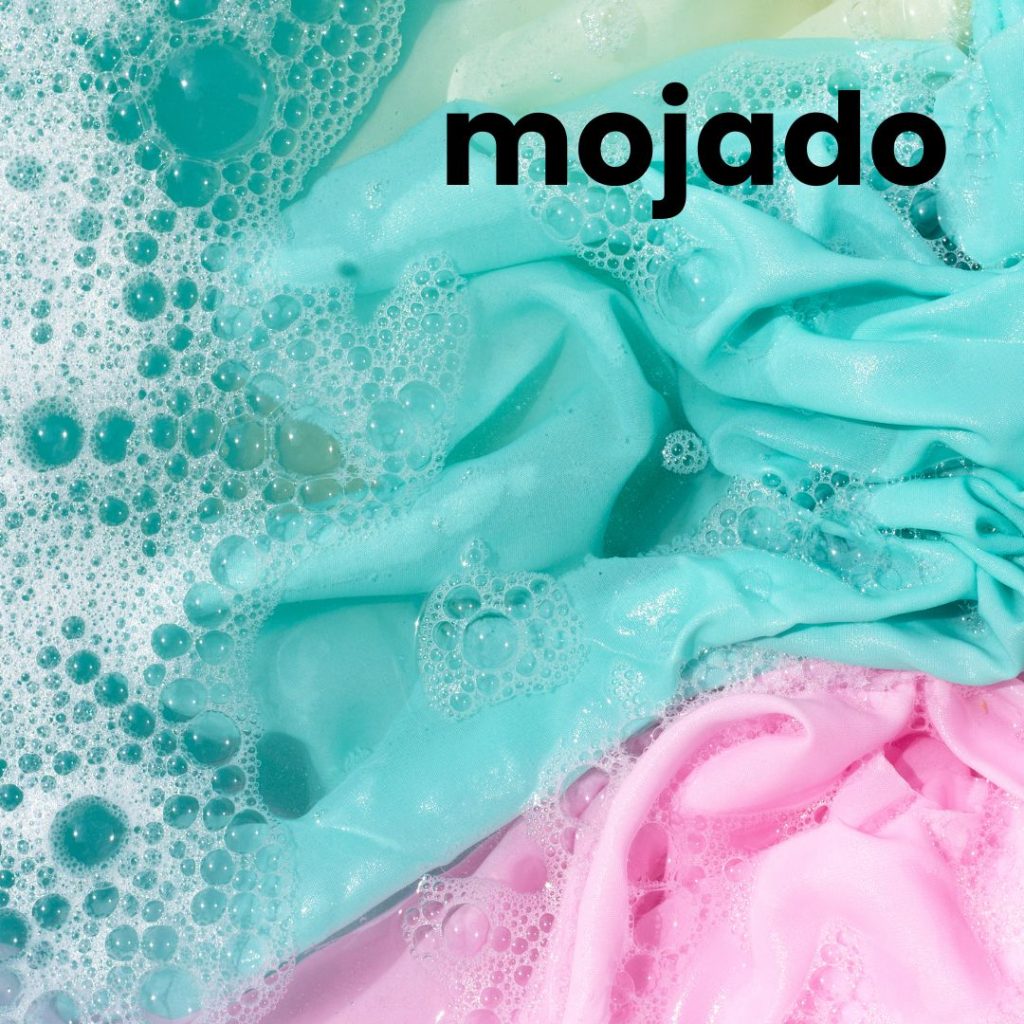
mojado/a – wet
sacar – to take out
colgar – to hang
tendedero – clothesline; el (n)
pinza – peg; el (n)
quitar: Means “to take off” or “to remove.”
adentro – inside
doblar – to fold
guardar – to put away
Lo haré: “I will do it” (future tense of hacer, “to do”)
de nuevo – again or anew; stays (m)
para que se seque
Seque comes from the verb secar, which means “to dry.”
- Seque: The subjunctive form of secar, used in certain situations like expressing wishes, doubts, or something not certain to happen (like drying clothes—it’s not guaranteed to happen instantly).
- Se: This is a reflexive pronoun, used because we’re talking about the clothes drying themselves (reflexive action).
Why subjunctive?
In the phrase “para que se seque”:
- “Para que” introduces a purpose or intention, often triggering the use of the subjunctive.
- “Se seque” means “that it dries,” but we’re not talking about a certain or factual event—it’s something we hope or want to happen (the clothes drying). That’s why we use seque (subjunctive) instead of seca (indicative).
Other examples with subjunctive:
- Espero que se seque rápido. (I hope it dries quickly.)
- Quiero que se seque antes de la noche. (I want it to dry before night.)
If you’re talking about a factual event (like “the towel dries”), you’d use the indicative:
- La toalla se seca al sol. (The towel dries in the sun.)
But when you’re expressing a hope, desire, or something uncertain, like in your example, you use the subjunctive: “seque.”