
Which or What
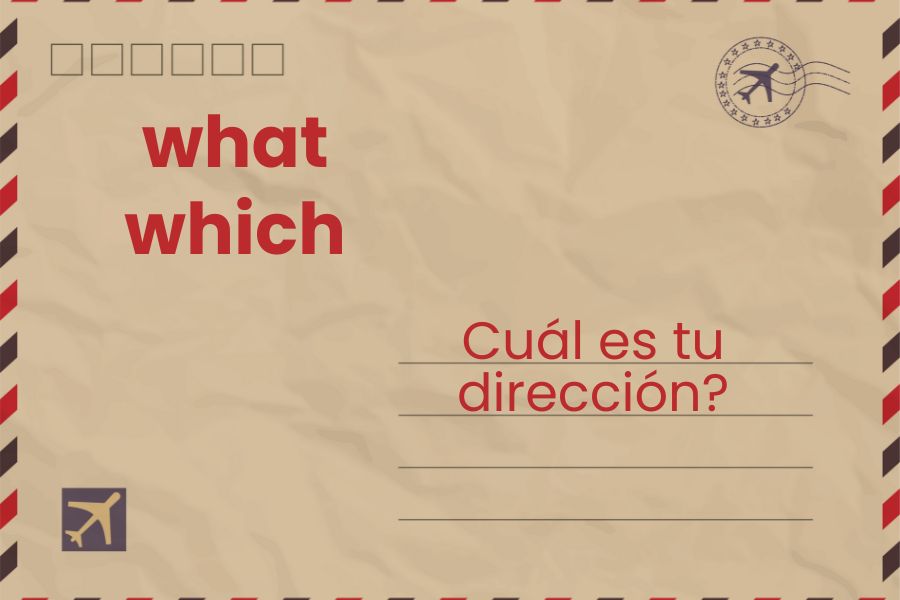
Qué and cuál map closely to English in both meaning and word order.
Qué usually matches “what”, and cuál usually matches “which.”
The structure of Spanish questions — ¿Qué haces?, ¿Cuál prefieres? — follows the same rhythm as English: “What are you doing?”, “Which do you prefer?”
Cuál carries a few more structural rules — mostly about sticking to verbs and staying in the “which-one / specific choice” zone.
QUÉ vs CUÁL — The Simple Guide
💬 QUÉ → asks what the thing is
Used for definitions, explanations, and kinds/types.
It’s like saying: “what does that mean / what kind of thing?”
You use qué when asking about:
- what something is
- what kind or type of thing
- what someone’s doing or wants
Common uses
¿Qué es eso? → What is that?
¿Qué prefieres? → What do you prefer? (open category — anything)
¿Qué libro te gusta? → What kind of book do you like?
¿Qué hora es? → What time is it?
¿Qué haces? → What are you doing?
¿Qué pasa? → What’s happening? / What’s wrong?
¿Qué quieres? → What do you want?
¿Qué significa? → What does it mean?
¿Qué dijo? → What did he/she say?
¿Qué te gusta hacer? → What do you like to do?
¿Qué tal? → How’s it going? / What’s up?
¿Qué piensas? → What do you think?
Qué inside sentences (not questions)
No sé qué quieres. → I don’t know what you want.
Dime qué pasó. → Tell me what happened.
No entiendo qué dices. → I don’t understand what you’re saying.
Me pregunto qué harías tú en mi lugar. → I wonder what you would do in my place.
Ya sabes qué necesito. → You already know what I need.
✅ Accent rule:
When used as a question or exclamation word — even inside another sentence — qué, cuál, cuándo, dónde, cómo, por qué, etc. keep the accent.
It signals interrogation or emphasis, not punctuation.
💡 Qué is free and flexible
It can:
- stand alone → ¿Qué haces?
- go before a noun → ¿Qué libro lees?
- go before ser → ¿Qué es eso?
Patterns to notice
- Qué + verb → open question about actions or info ¿Qué haces?, ¿Qué quieres?
- Qué + noun → asking about kind/type ¿Qué hora?, ¿Qué comida te gusta?
- Qué + ser → asking for meaning or definition ¿Qué es eso?, ¿Qué significa?
🎯 CUÁL → recognition or choice
Used for identifying or narrowing down — “which one?”
You use cuál when asking:
- which one it is
- which one you prefer / need / mean
- which one from a known group
Common uses
¿Cuál es tu perro? → Which one is your dog?
¿Cuál prefieres? → Which do you prefer?
¿Cuál es tu libro favorito? → Which is your favourite book?
¿Cuál de ellos es? → Which one of them is it?
💡 Cuál usually pairs with a verb — especially ser — not directly with a noun.
Cuál inside sentences
No recuerdo cuál es tu coche. → I don’t remember which one is your car.
Dime cuál prefieres. → Tell me which one you prefer.
No sé cuál de ellos fue. → I don’t know which of them it was.
💡 Pattern
Most uses follow: cuál + ser → identifying or selecting something specific.
cuál + verb / cuál de → choosing or comparing options.
🇲🇽 Everyday “¿Cuál es…?” phrases you can actually use in Mexico (Atlixco, volunteering, daily life)
¿Cuál es tu nombre? → What’s your name?
¿Cuál es tu trabajo aquí? → What’s your job here? / What do you do here?
¿Cuál es la dirección? → What’s the address? (think: “which address do you want to go to?”)
¿Cuál es el problema? → What’s the problem? / What’s wrong?
¿Cuál es la mejor manera de ayudar? → What’s the best way to help?
¿Cuál es la diferencia? → What’s the difference? (for instructions, food, prices, materials)
¿Cuál es el precio? → What’s the price?
¿Cuál es la calle para ir al centro? → Which street goes to the centre? / How do I get downtown?
¿Cuál prefieres? → Which one do you prefer? (when someone offers you options)
¿Cuál de ellos es? → Which one of them is it?