
That Over There

Spanish location words work like a 3-level distance system:
🧭 Here’s the map:
| Distance | Demonstrative | Location Word | Meaning |
|---|---|---|---|
| 🔹 Near speaker | esta/este | aquí | here (right with me) |
| 🔸 Near listener / medium | esa/ese | ahí | there (by you, reachable) |
| 🔺 Far from both | aquella/aquel | allí / allá | over there / way over there |
But it’s your perspective that decides the word — how far something feels to you, in the moment, based on the context.
“Real Rule” Table: Demonstratives + Locations by Feel
| Word | Feels like… | Used for… |
|---|---|---|
| esta / aquí | Right here with me | What I’m physically near or touching |
| esa / ahí | Near you / in your personal space | What you’re near, but I’m not |
| aquella / allí | Far from both of us but still visible/specific | What we can both see but can’t reach |
| aquella / allá | Far away / vague / “off in that direction” | What’s distant in space, time, or memory (less specific) |
You can use either one on its own when it feels clear.
And if you want to lean into it or double down, you can use both for extra emphasis.
Neuter words like esto / eso / aquello =
→ Used when you’re talking about a thing, idea, feeling, or situation that’s abstract, unknown, or not named.
They stand on their own because there’s no noun attached.
So:
- Esto es raro. → This is weird. (this situation / this thing I’m experiencing)
- Eso no me gusta. → I don’t like that. (whatever just happened)
- Aquello fue difícil. → That back then was hard. (a distant, past thing)



Near the speaker (esta) – “this [close to me]”
- Esta taza en mi mano está caliente.
(This cup in my hand is hot.) - ¿Te gusta esta camisa que llevo puesta?
(Do you like this shirt I’m wearing?) - Esta silla junto a mí está libre.
(This chair next to me is free.)


Near the listener or medium distance (esa) – “that [close to you or nearby]”
- Esa mochila a tu lado es tuya, ¿no?
(That backpack next to you is yours, right?) - ¿Puedes pasarme esa sal que está en la mesa?
(Can you pass me that salt that’s on the table?) - Esa bicicleta en la esquina me parece nueva.
(That bike on the corner looks new to me.)



Far from both (aquella) – “that [over there / distant / often out of reach]”
- Aquella montaña nevada se ve impresionante.
(That snowy mountain over there looks amazing.) - ¿Ves aquella casa al fondo del valle?
(Do you see that house at the end of the valley?) - Aquella estrella en el cielo brilla más que las demás.
(That star in the sky shines brighter than the others.) - No olvides aquella conversación que tuvimos hace años.
(Don’t forget that conversation we had years ago.) ← metaphorical “distance” (emotional/time)


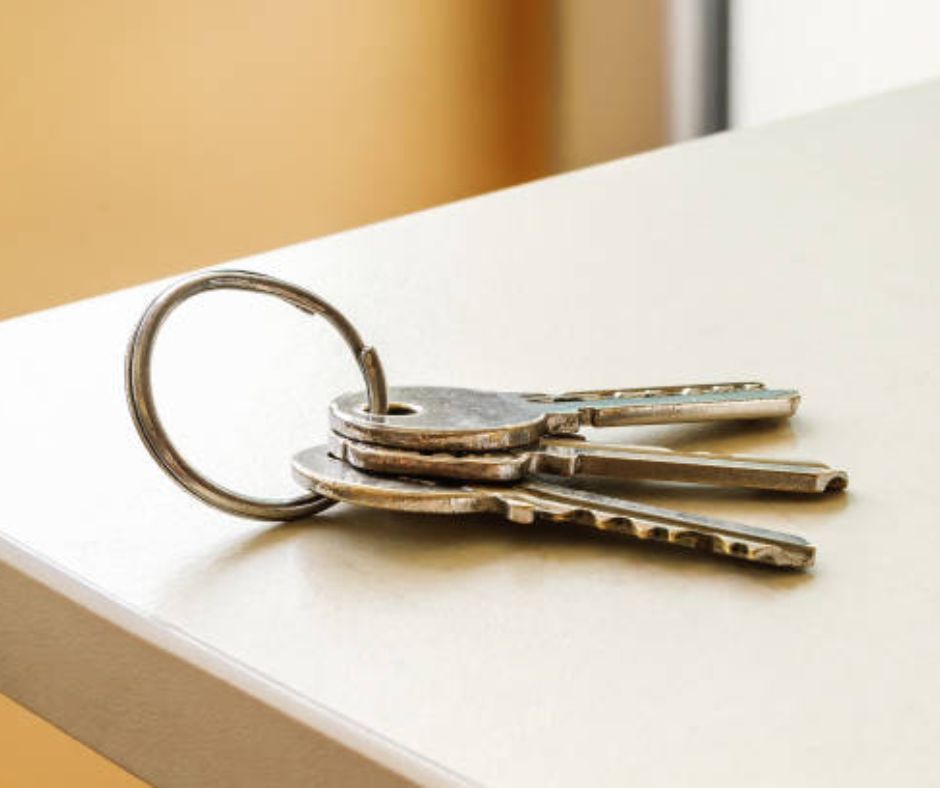
Near the speaker (aquí) – “here [right with me]”
Pon las llaves aquí en la mesa.
(Put the keys here on the table.)
Aquí es donde vivimos ahora.
(This is where we live now.)
Deja tu mochila aquí junto a la puerta.
(Leave your backpack here next to the door.)
Aquí huele a café recién hecho.
(It smells like freshly made coffee here.)


Near the listener / medium distance (ahí) – “there [near you / within reach]”
Tu glasses está ahí, junto a tu taza.
(Your glasses are there, next to your cup.)
No toques eso que está ahí.
(Don’t touch that thing that’s there.)
¿Puedes dejar los papeles ahí sobre el escritorio?
(Can you leave the papers there on the desk?)
Ahí está el libro que buscabas.
(There’s the book you were looking for.)


Far from both (allí / allá) – “over there [distant / often out of reach]”
Allí construyeron un nuevo hospital.
(They built a new hospital over there.)
¿Ves el coche rojo allí en el estacionamiento?
(Do you see the red car over there in the parking lot?)
Allá en el campo todo es más tranquilo.
(Over there in the countryside, everything is calmer.)
Allí fue donde nos conocimos.
(That’s where we met.)