
La Gran Aventura de los Animales
CEFR – A2
Practicing future tense “ir a + infinitive”.
Una mañana en el bosque, los animales decidieron que van a tener una aventura grande. Cada uno de ellos tenía sus propios planes.
El conejo dijo, “Voy a saltar sobre la roca más grande del bosque.” Parecía muy emocionado.
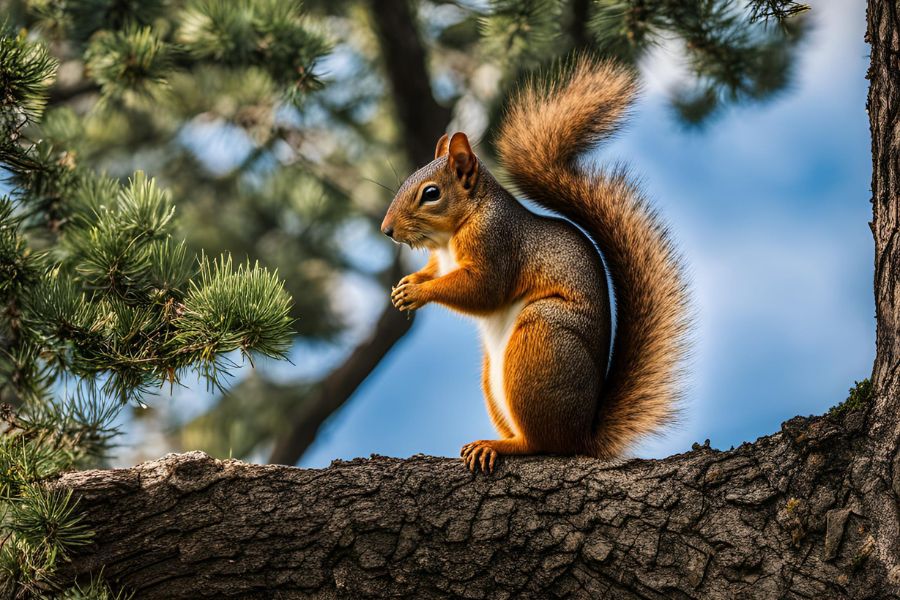
La ardilla gritó, “Voy a trepar al árbol más alto. Quiero ver todo el bosque desde la cima.”
El zorro sonrió y dijo, “Voy a buscar un camino secreto. A lo mejor lleva a algo asombroso.“
La tortuga dijo despacio: “Voy a llevar comida para todos. Vamos a necesitar bocadillos para nuestra aventura.”
El pájaro voló y dijo: “Voy a cantar canciones para mantener a todos felices.”
Antes de comenzar, el búho dijo: “¡Espera! Vamos a necesitar un plan. Las aventuras son mejores con un buen plan.”
Todos los animales estuvieron de acuerdo, así que se sentaron juntos y hablaron sobre lo que iban a hacer. Al poco tiempo, tenían un gran plan. Y entonces, su aventura comenzó.
sequence of events is a crucial concept for choosing between the preterite and the imperfect in storytelling! Let me explain it more clearly:
Sequence of Events vs. Background Information
In storytelling, we distinguish between:
- Actions that move the story forward (sequence of events) → Preterite
- Details that set the scene or describe ongoing conditions → Imperfect
What Is a Sequence of Events?
A sequence of events refers to actions that happen one after another to move the story along. These are the plot points—the events that form the backbone of your narrative.
Example:
“Todos los animales estuvieron de acuerdo, se sentaron juntos y hablaron sobre lo que iban a hacer.”
- These actions:
- They agreed.
- They sat down.
- They talked.
- Each is a completed action and part of the story’s timeline. This sequence uses the preterite because these are individual steps that advance the story.
What Is Background Information?
Background information describes what was happening around or during the sequence of events. It provides context, but it doesn’t move the story forward. These details are ongoing or descriptive, so the imperfect is used.
Example:
“Al poco tiempo, tenían un gran plan.”
- Having a plan is not an event; it describes the state the animals were in after talking. This is background information for the next event (the adventure beginning), so the imperfect is appropriate.
El conejo saltó sobre la roca más grande, y la ardilla trepó a la cima del árbol más alto. El zorro encontró un camino oculto que condujo a un arroyo pequeño. La tortuga compartió bocadillos cuando tenían hambre, y las canciones del pájaro hicieron que todos sonrieran.
Cuando el sol empezó a ponerse, los animales volvieron a casa, cansados pero felices. “Vamos a recordar este día para siempre,” dijo el búho. Había sido una maravillosa aventura.
conejo – rabbit
saltar – to jump
ardilla – squirrel
trepar – to climb
zorro – fox
lleva a algo asombroso – lead to something amazing
tortuga – turtle
bocadillos – snacks
ponerse – to set (sun)
Imperfect conjugations for “tener“
| Subject Pronoun | Conjugation |
|---|---|
| Yo | tenía |
| Tú | tenías |
| Él/Ella/Usted | tenía |
| Nosotros/Nosotras | teníamos |
| Ellos/Ellas/Ustedes | tenían |