
Como Si: Subjunctive Trigger
COMO SI = “as if / as though”
A phrase you use when you’re describing something through a lens:
“It feels/seems like X (even if it’s not literally true).”
It’s super common in:
- interpreting people’s behaviour
- describing how something feels
- sayings + quotes
COMO SI = subjunctive trigger
Two common forms:
- Present / vibe lens
como si + imperfect subj (-ra)
= “as if…” (right now / generally) - Past / after something happened lens
como si + HAVE DONE pluperfect
= como si + hubiera + participio
Useful starters
- Es como si…
- Se siente como si…
- Es como si todo…
- Es como si la gente…
Everyday usable phrases
Everyday “now vibe” uses (imperfect subj)
- Es como si estuvieras enojado/a.
It’s like you’re mad. - Es como si no quisieras hablar.
It’s like you don’t want to talk. - Es como si no entendieras.
It’s like you don’t understand. - Es como si no me escucharas.
It’s like you’re not listening to me. - Es como si no te importara.
It’s like you don’t care. - Es como si estuvieras en otro mundo.
It’s like you’re in another world. - Es como si no te acordaras.
It’s like you don’t remember.
Everyday “pretending / denial” uses (“have done”)
- Como si nada hubiera pasado.
Like nothing happened. - Como si no me hubieras visto.
Like you didn’t see me. - Como si nunca hubiera existido.
Like it never existed. - Es como si nunca lo hubieras dicho.
It’s like you never even said it.
Note to self (avoid confusion)
The imperfect subjunctive doesn’t always mean “past” —
with como si, it’s often just the normal “as-if form”.
The imperfect and pluperfect subjunctive aren’t “tenses” in the normal sense of present / preterite / imperfect (real timeline). They’re more like lenses of context around “time” inside the subjunctive world.
The different subjunctive tenses are used for context in the “not real (yet)” world:
Pluperfect subjunctive – “not real” but have done in a past/unreal-backstory frame
Present subjunctive – “not real / not asserted” in a present/future frame
Imperfect subjunctive – “not real” but framed as unreal-now/general
1) Imperfect Subjunctive (-ra)
Endings
-ra / -ras / -ra / -ramos / -ran
Example: HABLAR → hablara
- yo hablara
- tú hablaras
- él/ella/usted hablara
- nosotros habláramos
- ellos/ellas/ustedes hablaran
Example: COMER → comiera
- yo comiera
- tú comieras
- él/ella/usted comiera
- nosotros comiéramos
- ellos/ellas/ustedes comieran
Example: VIVIR → viviera
- yo viviera
- tú vivieras
- él/ella/usted viviera
- nosotros viviéramos
- ellos/ellas/ustedes vivieran
Common stems (you’ll use heaps):
- ser → fuera
- estar → estuviera
- haber → hubiera
- tener → tuviera
- poder → pudiera
- decir → dijera
- venir → viniera
- hacer → hiciera
2) “Have done” Subjunctive
(Pluperfect subjunctive)
Formula
hubiera + participio
Conjugation of hubiera
- yo hubiera
- tú hubieras
- él/ella/usted hubiera
- nosotros hubiéramos
- ellos/ellas/ustedes hubieran
Then add participle:
- hablar → hablado
- comer → comido
- vivir → vivido
Examples:
- hubiera hablado
- hubieras comido
- hubiéramos vivido
- hubieran dicho
Common irregular participles
- hecho (hacer)
- dicho (decir)
- visto (ver)
- puesto (poner)
- escrito (escribir)
- roto (romper)
- vuelto (volver)
- muerto (morir)
- abierto (abrir)

It’s as if the sun is kissing the windscreen to dry the dew.
Here are a few natural Spanish versions, from poetic to everyday:
Poetic
Es como si el sol besara el parabrisas para secar el rocío.
Slightly softer / more “feels like”
Se siente como si el sol estuviera besando el parabrisas para secar el rocío.
More literal “drying it off”
Es como si el sol estuviera secando el parabrisas, quitándole el rocío.
Mexico vocab option (windscreen)
In Mexico you’ll hear:
- parabrisas ✅ (most standard)
- cristal (front glass — common in speech)
So this also works beautifully:
Es como si el sol besara el cristal para secar el rocío.

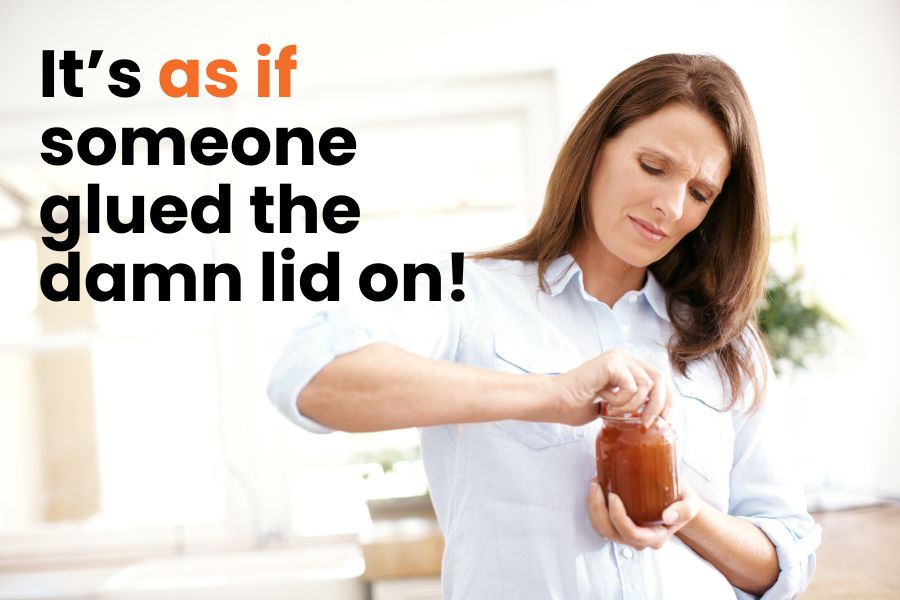
It’s as if someone glued the damn lid on!
😂 YESSS. This is 100% real-life como si — not poetic, just daily rage.
Here are the most natural options:
Most direct (and super usable)
Es como si alguien hubiera pegado la tapa.
= It’s as if someone glued the lid on.
With your exact “damn” energy
Es como si alguien hubiera pegado la maldita tapa.
or
Es como si alguien hubiera pegado la pinche tapa. (Mexico 🔥)
Even more natural spoken (less “glue”, more “it won’t budge”)
Es como si la tapa estuviera pegada.
= It’s like the lid is stuck on.
Very common phrase
Parece que alguien le puso pegamento a la tapa.
= Looks like someone put glue on the lid.
And notice: here the vibe is “this must have happened earlier” → HAVE DONE (hubiera pegado) fits beautifully.

It’s as if she needs her hands on paper when she reads, not something electronic.
And yep: como si lives here too (quiet observation / interpretation).
Here are a few natural Spanish versions:
Clean + natural
Es como si necesitara tener papel en las manos cuando lee, no algo electrónico.
Slightly smoother / more native flow
Es como si necesitara leer en papel, no en algo electrónico.
More “she’s a paper person”
Es como si no pudiera leer sin tener el papel en las manos.
Very spoken / casual
Es como si necesitara el libro físico, no en pantalla.
If you want the closest mirror of your exact English:
✅ Es como si necesitara tener algo en papel entre las manos al leer, no algo electrónico.