
Un Tamal Para Desayunar
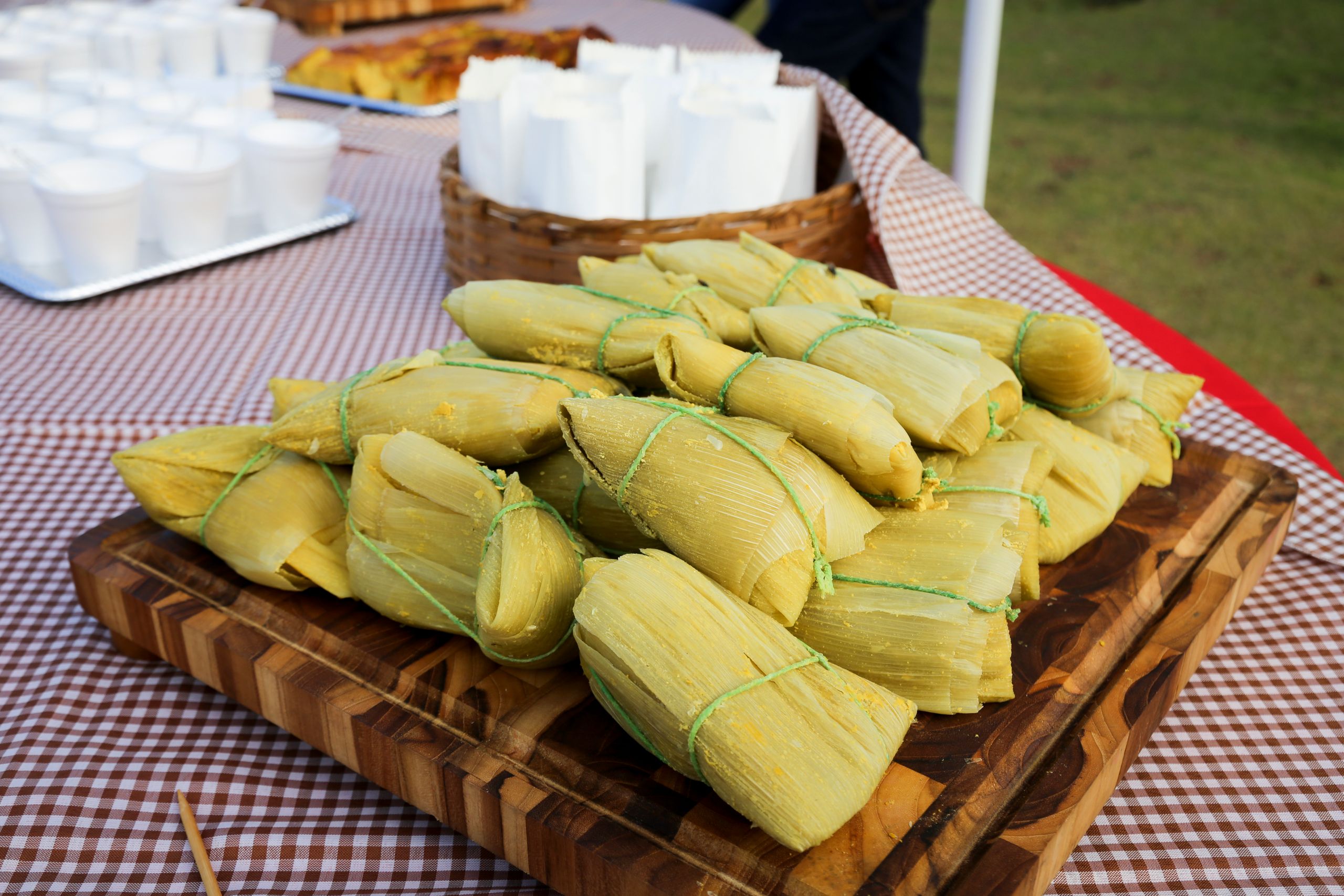
Practicing DO and IDO with “little pronoun stories”.
[pronoun/s + conjugated verb] is a little story in itself.
They tell me who or what is involved, what the action is about, and where it lands.
The conjugated verb tells me who did what.
Un tamal para desayunar
Esta mañana fui a un puesto de tamales porque quería probar uno.
—Buenos días. ¿Cuál me recomienda? No quiero uno muy picante.
—Le recomiendo el de pollo con salsa verde. No pica mucho.
—Perfecto. ¿Me da uno, por favor?
La mujer sacó un tamal de una olla grande y me lo dio.
—Tenga cuidado, está caliente.
—Gracias. ¿Cómo lo como?
—Abra la hoja, pero no se la coma —me dijo riéndose.
Abrí el tamal y lo probé.
—Está muy rico. La salsa me gusta mucho.
—¿Quiere que le dé otro para llevar?
—Sí, por favor. Se lo voy a llevar a mi hija.
La mujer me lo puso en una bolsa y me la dio.
—Espero que le guste.
—Seguro que sí. Si no se lo come, me lo comeré yo.
Un tamal para desayunar
Esta mañana fui a un puesto de tamales porque quería probar uno.
—Buenos días. ¿Cuál me recomienda? No quiero uno muy picante.
—Le recomiendo el de pollo con salsa verde. No pica mucho.
- me recomienda
me – who it lands on (me)
recomienda – what the action is and who did it (usted/you recommend)
—Perfecto. ¿Me da uno, por favor?
- Me da
me – who it lands on (me) - da – what the action is and who did it (usted/you give)
La mujer sacó un tamal de una olla grande y me lo dio.
- me lo dio
me – who it lands on (me) - lo – who or what is involved (el tamal)
- dio – what the action is and who did it (she gave)
—Tenga cuidado, está caliente.
—Gracias. ¿Cómo lo como?
- lo como
lo – who or what is involved (el tamal)
como – what the action is and who did it (I eat)
—Abra la hoja, pero no se la coma —me dijo riéndose.
- no se la coma
comerse – to eat up / consume; pronominal; personal act
se – who it lands on (usted/you)
la – who or what is involved (la hoja, leaf)
no coma – what the action is and who did it (don’t eat)
the commanded action (don’t eat); usted form, using the present subjunctive for a negative formal command
Abrí el tamal y lo probé.
- lo probé
lo – who or what is involved (el tamal) - probé – what the action is and who did it (I tried/ate)
—Está muy rico. La salsa me gusta mucho.
—¿Quiere que le dé otro para llevar?
- le dé
le – who it lands on (you; formal le, not te) - dé – what the action is and who did it (I give; subjunctive – quiere que trigger)
—Sí, por favor. Se lo voy a llevar a mi hija.
- Se lo voy a llevar
se – who it lands on: her, my daughter
lo – what is involved: the tamal
voy a llevar (verb phrase) – what the action is and who did it: I’m going to take
a mi hija — identifies who se refers to
La mujer me lo puso en una bolsa y me la dio.
- me lo puso
me – who it lands on (me) - lo – who or what is involved (el tamal)
- puso – what the action is and who did it (she put)
- me la dio
me – who it lands on (me)
la – who or what is involved (una bolsa)
dio – what the action is and who did it (she gave)
—Espero que le guste.
—Seguro que sí. Si no se lo come, me lo comeré yo.
comerse
- no se lo come
comerse / pronominal / personal act
se – who it lands on (she/mi hija)
lo – who or what is involved (el tamal)
no come – what the action is and who did it (she doesn’t eat) - me lo comeré
comerse / pronominal / personal act
me – who it lands on (me)
lo – who or what is involved (el tamal)
comeré – what the action is and who did it (I will eat ‘it’ myself)