
Andar – Not Just Walking
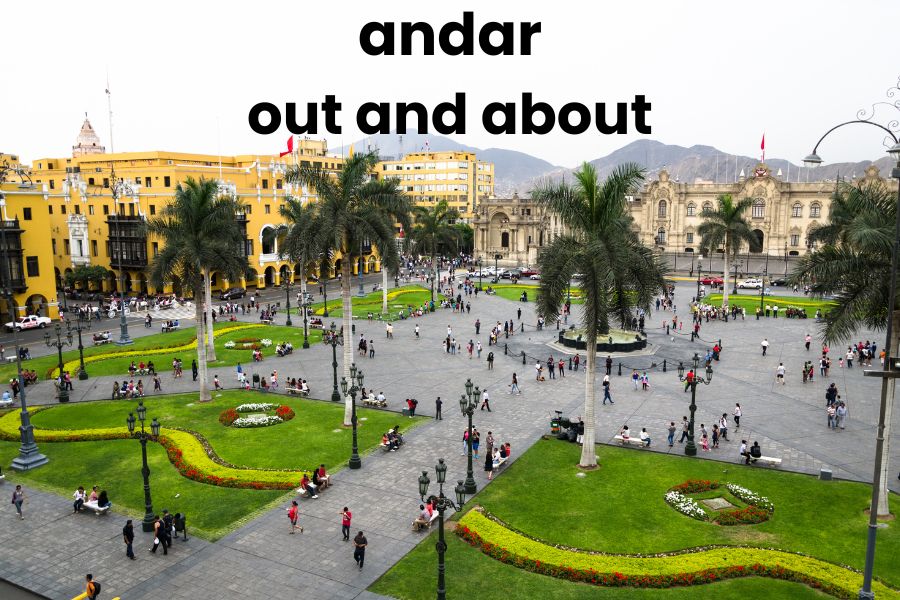
Pasear – To take someone or something out for a pleasant stroll or outing. It’s about the act of going out, not the destination. Used with dogs, kids, or yourself.
Caminar – To walk (physically move your legs and go somewhere). Focuses on the act of walking itself — good for exercise, distance, or simply moving on foot.
Andar -Colloquial and deeply cultural in Spanish; to be out and about / to move around somewhere or doing something
It’s about moving through space/life and connecting — not just walking.
Andar – Not Just Walking
In Mexico, it’s not just a verb — it reflects something cultural. There’s this habit of walking around town with friends, maybe running into more friends, just being out and about wherever the day takes you.
Western space isn’t designed for andar — it’s used, not lived in. But in Mexico, andar through a plaza or neighborhood often means spontaneous connection: people, music, food, life.
Andar is about being out in public spaces, on foot or using something that keeps you in the social flow (bike, moped, etc.). A car doesn’t fit that vibe because it separates you from the hangout culture that andar reflects.
The Argentine woman that purposely dresses up to go for a walk with the intention of receiving a few compliments, some cheeky piropos – this is andar.
Anda por el barrio, bien arreglada, a ver si le cae uno que otro piropo.
She’s out and about in the neighborhood, all dressed up, seeing if she gets a compliment or two.
If I wander a barrio of CDMX with the intention of exploration and discovery, window shopping, people watching and striking up a conversation with someone in a little park – this is andar.
- Open to exploration
- Not headed anywhere in particular
- Moving slowly, curious, present
Andaba por la colonia conociendo el barrio.
I was walking around the neighborhood getting to know the area.
If I jump on a bike with a friend and we spend the day just riding around, chatting, stopping for coffee, maybe take a look through an outdoor market, then ride to the river to relax – this is andar.
- You’re in motion, but not rushing or trying to “get somewhere.”
- There’s no rigid plan — just movement, exploration, and time with your friend.
- You’re in the world, not passing through it in isolation.
- You’re engaging with your surroundings — cafés, people, markets, the river.
- Slow-living, connected, “this day is ours” kind of way.
Estuvimos andando por ahí en la bici, fuimos al mercado, luego al río… bien a gusto.
We rode around on the bike, went to the market, then to the river… we had a great time.
andar + gerund
It expresses ongoing or repeated activity, often with a sense of movement or going from place to place.
It’s looser than estar + gerund. It’s not just “we’re doing this,” it’s like:
- We’re out and about doing this
- We’re moving through life doing this
- This is what we’ve been up to lately
| Spanish | Meaning |
|---|---|
| Anda buscando trabajo. | He’s going around looking for work. (he’s job-hunting) |
| Ando pensando en ti. | I’ve been thinking about you. (you’re on my mind a lot) |
| Andan diciendo que va a llover. | People are going around saying it’ll rain. |
| Andábamos tomando fotos. | We were out taking photos. |
| ¿Qué andas haciendo? | What are you up to? (what are you going around doing?) |
andar still fundamentally carries the idea of roaming, moving, being out and about. That roaming might be literal (walking, riding, wandering) or figurative (going around doing something, mentally preoccupied, emotionally drifting).
🔹 Even with a gerund, andar keeps its root meaning:
motion + presence + ongoing activity
So when you say:
Andamos recorriendo la ciudad
You’re saying more than “we are exploring” — you’re saying:
We’re out and about, moving through the city, doing our thing.
🔄 Some more feeling-based examples:
- Anda diciendo cosas de mí.
→ He’s going around saying stuff about me. (not static gossip — active movement of rumors) - Ando pensando en eso.
→ I’m wandering mentally, stuck on that thought. - Andaban tomando fotos por todos lados.
→ They were roaming around, snapping pics everywhere.
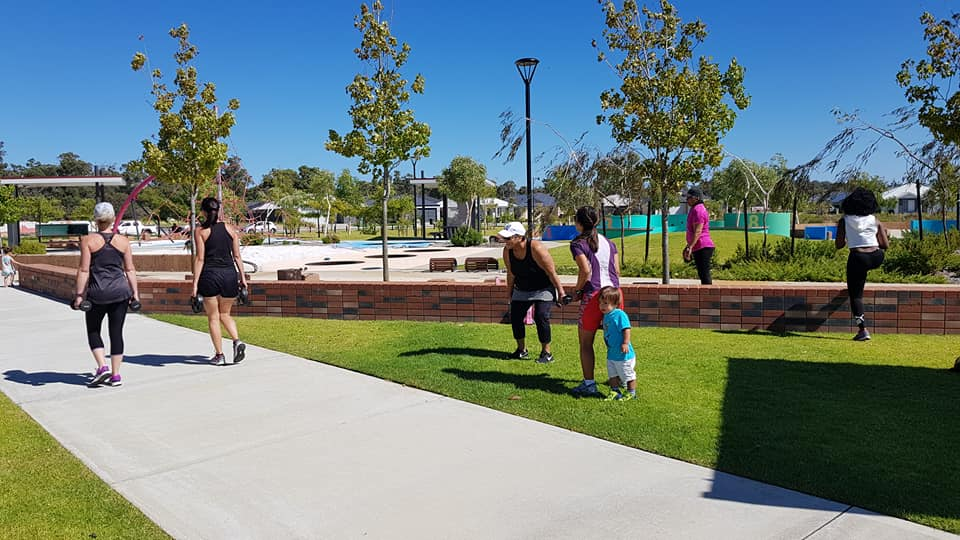
Me acuerdo de hace unos años, cuando organizaba campamentos de ejercicio en un parque local.
Era media mañana entre semana — la mayoría de la gente estaba en el trabajo, pero de vez en cuando pasaba un albañil en su camioneta y les tocaba la bocina a las chicas.
Un día, un inmigrante nuevo — un hombre negro, solo — se sentó en una banca del parque y observaba mientras hacíamos ejercicio.
Las mujeres no se sentían cómodas y querían que el hombre se fuera.
En sus mentes, él estaba siendo inapropiado — pero honestamente, solo estaba sentado allí.
Claramente, él venía de una cultura donde los espacios públicos eran para mirar a la gente, interactuar, charlar con amigos o simplemente pasar el rato.
Me recordó a muchas culturas de Europa o de Latinoamérica, donde la plaza, el mercado callejero y el parque son donde sucede el andar.
Son espacios donde la gente se encuentra con sus amigos.
Esa mañana me impactó, porque Australia y la cultura occidental han perdido la tradición de andar.
‘Andar’ no ha sido parte de mi vida, pero es algo que anhelo.
hace unos años – a few years ago
media mañana – mid-morning
entre semana – during the week
de vez en cuando – once in a while, from time to time
albañil – skilled trade
obrero -labourer / blue-collar worker
Aussie tradie culture doesn’t have a 1:1 word in Spanish, trabajador also fits.
camioneta (f) – truck, van
tocaba la bocina – honk the horn
tocaba (imperfect) – tocar, play, take
venía (imperfect, 3rd person, storytelling background) – from venir, to come, to arrive
pasar el rato – set phrase native speakers use to mean: hang out, chill for a while, spend time casually
sucede (present 3rd person) – from suceder, to happen
It happens, It takes place
perdido (past participle) – perdir, to lose
anhelo (present 1st person) – from anhelar
[an-e-LAR], to long for