
Amigos: Scene 2: Entradas para el Festival de Música
Amigos: Entradas para el Festival de Música
This story is part one of six, a story within conversation.
- Scene 1 – Un Acogedor Café en Una Tarde de Domingo
- Scene 2 – Entradas para el Festival de Música
- Scene 3 – En el Festival de Música
- Scene 4 – Después del Festival
- Scene 5 – Juntarse de Javier
- Scene 6 – La Exhibición de Arte
Entradas para el Festival de Música
El escenario: El apartamento de Sofía
(Alex visita a Sofía para planear el festival de música que viene.):
Alex: (Tocando la puerta) ¡Sofía, soy yo!
Sofía: (Abriendo la puerta) ¡Ey, Alex! Pasa.
Alex: Gracias. Entonces, sobre el festival, ¿ya decidiste a qué hora debemos reunirnos?
Sofía: Creo que debemos llegar temprano, a lo mejor alrededor de las once de la mañana. Así podemos encontrar un buen lugar para sentarnos y mirar a la primera banda.

Alex: Buena idea. ¿Viste el programa?
Sofía: ¡Sí, se ve increíble! Estoy muy emocionada por Luna Roja. Tocan a las tres de la tarde. ¿Y tú?
Alex: Lo mismo. Oh, por cierto, Javier podría unirse a nosotros. Lo invité.
Sofía: ¡Genial! Será divertido pasar tiempo con él también. ¿Consiguió una entrada?
Alex: No todavía, pero dijo que comprará una hoy.
Sofía: Perfecto. Hablando de las entradas, ¿ya compraste la tuya?
Alex: Aún no. Esperaba que pudieras mostrarme el sitio web.
Sofía: Claro. Déjame traer mi laptop.
(Sofía trae su laptop y ayuda a Alex a comprar una entrada en el sitio.)
Alex: Gracias, Sofía. ¡Entendido! Ahora solo necesito decidir qué ponerme.
Sofía: Algo cómodo, pero fresco. Va a hacer calor.
Alex: Buen punto. Está bien, miraré en mi armario más tarde.
Sofía: Está bien, ahora que ya se organizó, ¿cómo va tu pintura?
Alex: Agregué unos detalles anoche. Creo que casi está lista para presentar.
Sofía: ¡Qué increíble! Avísame cuando lo hagas – te mandaré buena vibra.
(Se ríen y empiezan a planear qué comida llevar al festival.)
Next scene. google doc
pasa (informal command form) – pasar is very commonly used in Mexico (and most Spanish-speaking countries) to invite someone inside your home, or even into a room or space. It’s a natural and polite way to say “Come in.”
reunirnos – from reunirse (to meet up with)
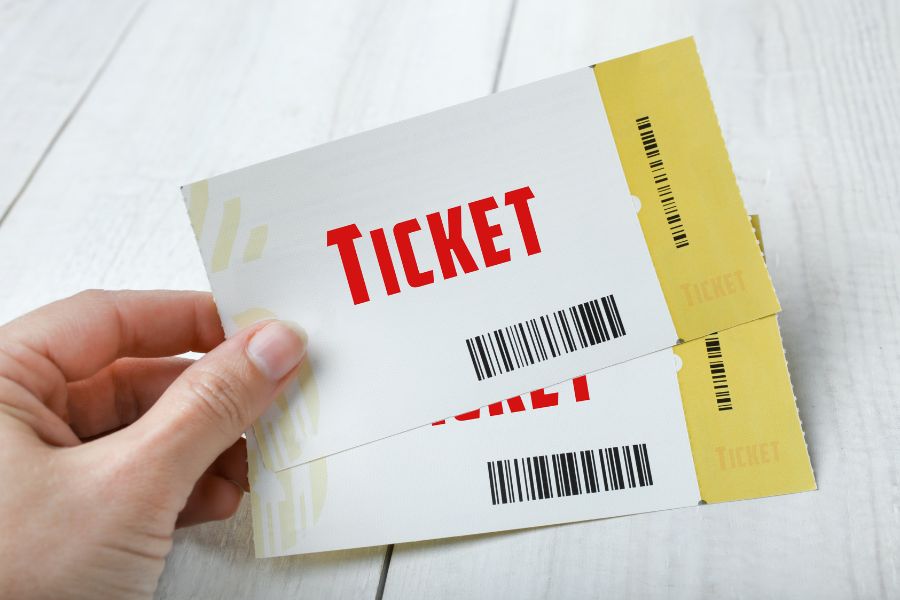
Entradas – refers to tickets for entry or admission to an event or location.
Boletos – refers to tickets in a broader sense, often used for transportation (planes, buses, trains) and general admission events.
Practical Guide for Use in Mexico
- For a festival, concert, or cinema: Boletos is more common.
- ¿Ya tienes tus boletos para el festival?
(Do you already have your tickets for the festival?)
- ¿Ya tienes tus boletos para el festival?
- For entry to a museum or smaller events: Entradas may feel more formal.
- Las entradas al museo están agotadas.
(The museum tickets are sold out.)
- Las entradas al museo están agotadas.
- For transportation: Always boletos.
- Necesito boletos para el autobús.
(I need bus tickets.)
- Necesito boletos para el autobús.
conseguir – a very versatile verb in Spanish, often translated as “to get,” “to obtain,” or “to achieve.” It’s a common and practical word that is widely used in everyday Spanish.
no todavía – not yet
aún no – not yet
mostrarme – from mostrar, to show
Déjame comes from the verb dejar, which is a versatile verb in Spanish with several meanings, such as “to leave,” “to allow,” “to let,” or “to stop doing something.” The construction déjame is the imperative (command) form of dejar with the reflexive pronoun me attached, meaning “let me.”
- Déjame ayudarte. (Let me help you.)
- Déjalo entrar. (Let him in.)
- Déjala hablar. (Let her speak.)
- Déjalas decidir. (Let them decide.)
- Déjale hacerlo. (Let him/her do it.)
a lo mejor – maybe (more Mexican)
desde – since
enseguida – means “right away,” “immediately,” or “very soon.” It implies that something will happen or is happening without delay.
- Vuelvo enseguida (I’ll be right back)
- Lo hago enseguida. (I’ll do it right away.)
ponerme – to wear
armario – closet
Agregué – from agregar, to add
detalles – details
Avísame – the imperative (command) form of the verb avisar, combined with the reflexive pronoun me. It means “Let me know” or “Notify me.”
mandaré – from mandar, to send
Se ríen – “to laugh” is often expressed reflexively with reírse rather than just reír.