
Cuando Era Niña
The “used to” tense (aka the imperfect tense), is the equivalent of saying “used to” in English or “was/were doing“. It can be triggered by the english -ing version of something happening in the past:
- I was gardening when it started to rain.
It describes actions in progress at a certain point in the past.
- Were you in the shower when I put on the washing machine?
The imperfect is used to describe the background of a story but not used when it specifically happens to the main character.
- The vendor weighed Sofia’s tomatoes.
In this sentence, the vendor’s action is part of the background of the story about Sofia, so it is expressed in the imperfect verb form.
Emotions, thoughts or states:
- The imperfect is for what was—things that are grounded in the past as definitely having occurred or existed.
- The subjunctive is for what could be—things tied to uncertainty, possibility, or dependency on something else.
The imperfect tense is in italics.
Vivía en muchos pueblos de niña, en la costa oeste de Australia y en la costa este también. Mi papá era pescador, entonces nos mudábamos mucho. I lived in many towns as a child, on the west coast of Australia and on the east coast as well. My dad was a fisherman, so we moved a lot.
Cairns
Cairns es el primer lugar de donde tengo recuerdos. Nos mudamos allá cuando tenía cuatro años. Cairns is the first place I have memories of. We moved there when I was four.
Vivimos en dos casas diferentes que recuerdo y también en una isla durante cuatro meses. We lived in two different houses that I remember and also on an island for four months.
Mi familia vivían en una casa al final de una calle cerrada. My family used to live in a house at the end of a dead end street.
En realidad, vivimos en las dos últimas casas al final de la calle, una frente a la otra, en diferentes momentos. We actually lived in the last two houses at the end of the street, across from each other, at different times.
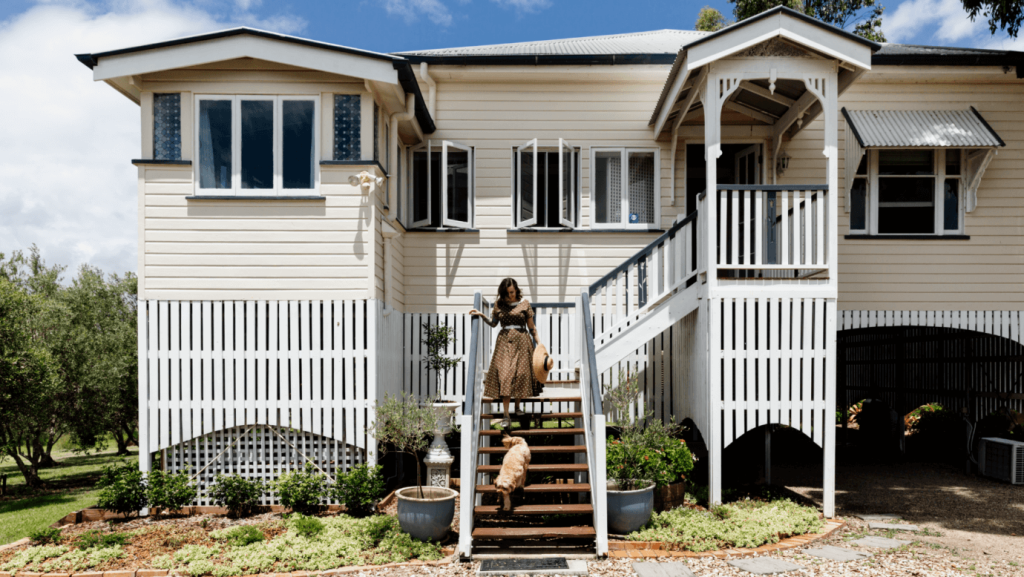
A una la llamábamos ‘la casa alta’. Era una casa típica de estilo Queensland (llamada ‘Queenslander”), de madera y sobre pilotes para evitar el agua de inundaciones. A la otra la llamábamos ‘la casa baja’. One we called the high house, a typical Queensland style house (called a Queenslander), made of wood and on stilts to avoid flood water. The other we called the low house.
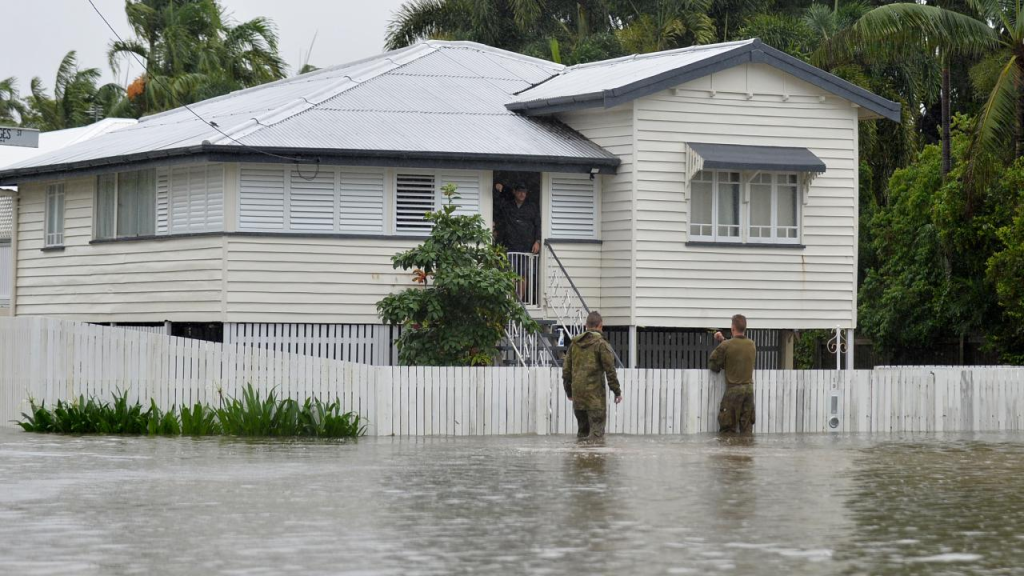
Nunca vi una inundación mientras vivía allá. Pero vi mucha lluvia tropical. I never saw a flood while I lived there. But I saw a lot of tropical rain.
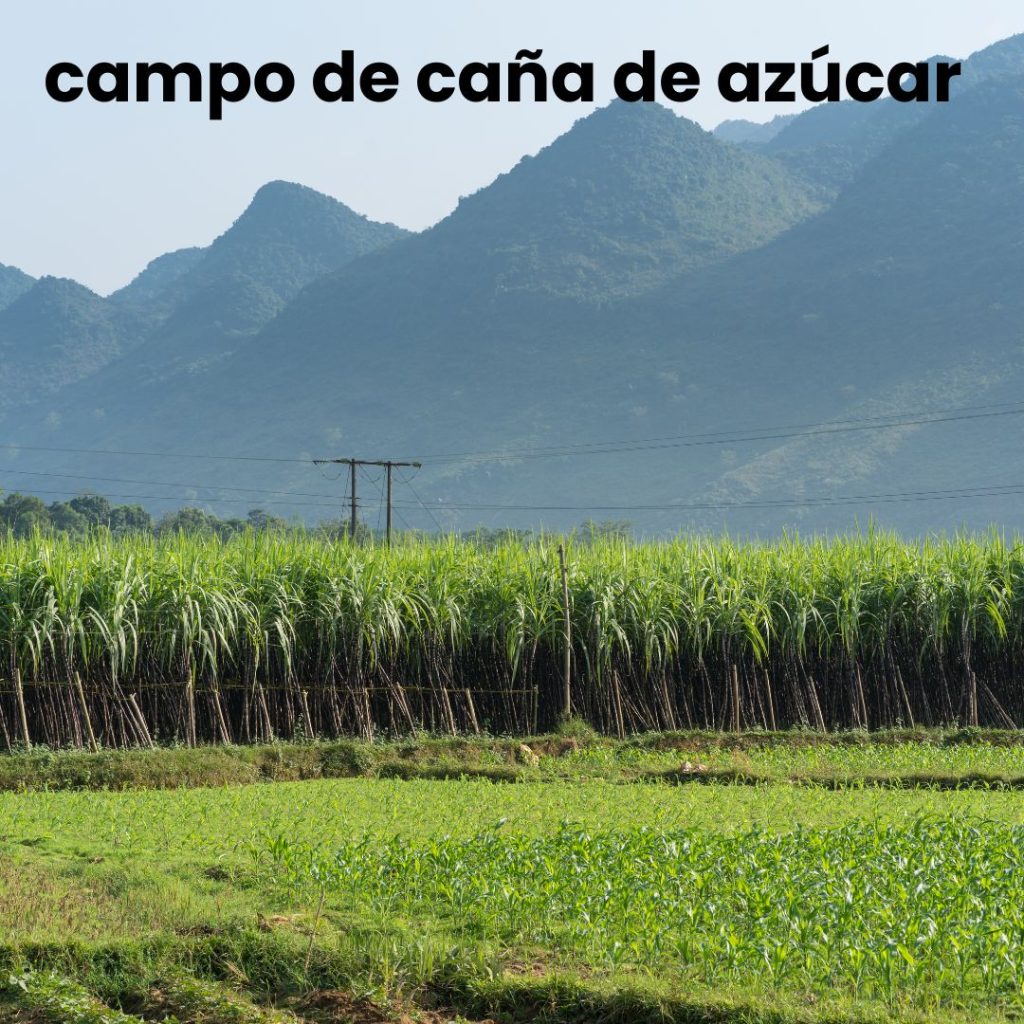
Al final de la calle, al lado de la casa, era un campo de caña de azúca. At the end of the street, next to the house, was a sugar cane field.
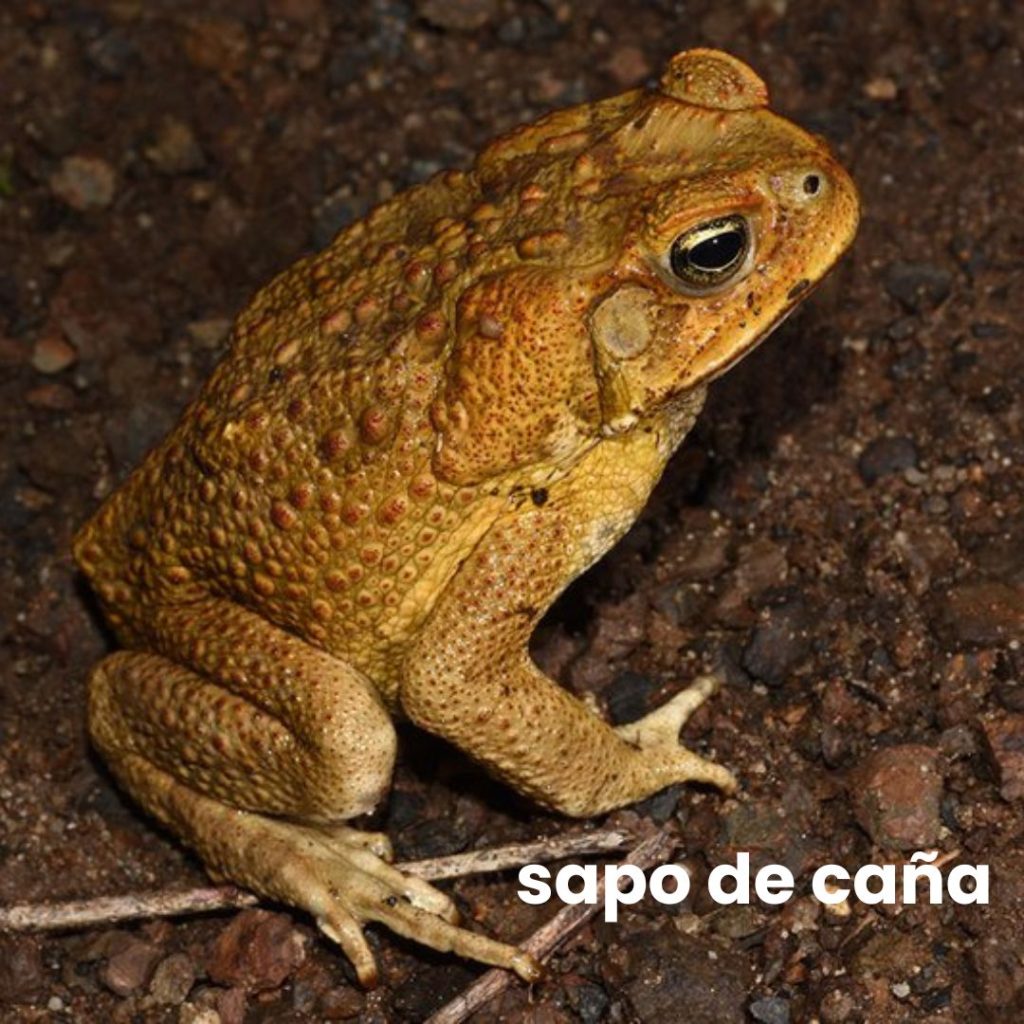
El campo de caña era hogar de sapos de caña tóxicos y serpientes venenosas. Ambos son muy peligrosos y pueden ser mortales. Ellos solían entrar a nuestro patio. The cane field was home to cane toads and deadly snakes. Both are very dangerous and can be deadly. They used to enter our yard.
Un arroyo corría bajo la colina entre nuestra casa y el campo de caña. Era mi lugar favorito para jugar. A creek ran down the hill between our house and the cane field. It used to be my favourite place to play.
used to -AR verbs
- yo – aba (nadaba)
- tú – abas
- él – aba
- nos – abamos
- ellos – aban
Remember to move the inflection to the second last syllable unless there is an accent mark.
used to -ER and -IR verbs
- yo – ía (comía)
- tú – ías
- él – ía
- nos – íamos
- ellos – ían
soler – “to usually do” or “to be in the habit of.” It’s used to express habitual or repeated actions in the past, similar to saying “used to” in English.
mudarse – “to move” in the sense of changing where you live
una calle cerrada – a dead end street, closed street (Mexico)
estilo – style
madera – wood
pilotes – stilts
evitar – avoid
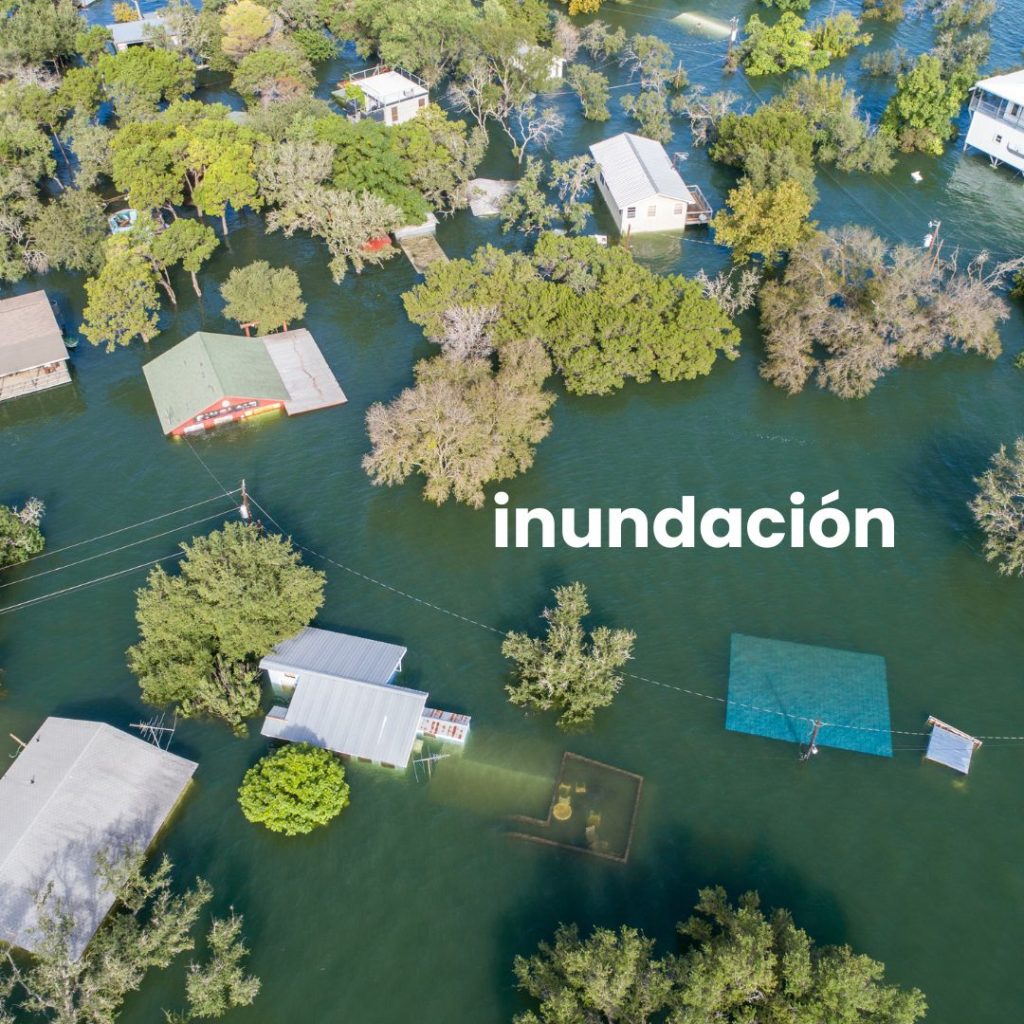
inundación – flood
arroyo – creek
sapos de caña – cane toads
campo – field
Spanish uses “campo” broadly to mean any open or rural area, whether it’s natural (countryside) or cultivated (agricultural field). Context tells you which meaning applies:
- If “campo” is mentioned with activities like trees, greenness, or solitude, it likely refers to the countryside.
- If “campo” is associated with crops or farming, it refers to a cultivated field.